Hey there, fellow parents and fellow baby gear lovers! If you’ve ever stood in the baby clothes aisle (or scrolled through a hundred online romper listings at 2 a.m. when your little one’s finally asleep), you’ve probably stared at a question that feels way more high-stakes than it should: Do baby rompers actually need a snug fit around the legs? As a baby romper supplier who’s been in this game for over 8 years, I’ve heard every take from “too loose and they’ll trip” to “too tight and my baby’s legs will turn blue” — and honestly, most of the advice out there is either outdated or totally missing the mark. Let’s break this down like we’re chatting over coffee, no stuffy jargon, just real talk about what’s actually safe and comfortable for tiny legs. Baby Romper

First off, let’s get one myth out of the way right now: snug isn’t constricted. I see so many parents confusing the two, and it makes sense — when something’s fitted on a baby, it’s easy to panic it’s cutting off circulation. But let’s talk about baby skin and how they move, because that’s where the science comes in. Babies have this thing called “active movement” that’s way more intense than most adults realize. Their legs are like little springs — they kick, curl, stretch, and sometimes do full-on gymnastics mid-diaper change (if you’ve ever tried to put pants on a squirming 8-month-old, you know exactly what I mean). A romper that’s loose around the legs might feel cozy at first, but it quickly becomes a hassle. It can ride up, bunch around their crotch, and even get tangled in their tiny toes or fingers when they’re crawling or pulling themselves up on the couch. Not fun for anyone, least of all the baby.
But here’s the big question: how snug is too snug? As a supplier, I don’t just guess on this — I work with pediatric occupational therapists and take notes from hundreds of parents who’ve tested our rompers on everything from newborns to toddlers. The sweet spot? Snug enough that it doesn’t gap around the thigh or calf, but with just enough give that you can slip two fingers between the romper fabric and your baby’s leg. That’s the test we use for every single romper we design, and it’s not arbitrary — it’s based on infant apparel safety guidelines from pediatric experts. Newborns have delicate, stretchy skin that’s more prone to irritation from rubbing fabric, and their circulatory systems are still developing, so we never build rompers that are tight enough to leave marks. For older babies who are moving nonstop, we add a little extra spandex to the leg cuffs, not to pull tight, but to hold the fabric in place without restricting movement.
Wait, but what about diapers? Oh, that’s another pain point I hear all the time. Parents often worry that a snug leg will rub against a cloth diaper or a bulky disposable, leading to rashes or leaks. And you know what? That’s a valid concern — which is why we test our rompers with every type of diaper, from thin newborn disposables to extra-absorbent overnight cloth diapers. Here’s the thing: a romper’s leg fit has to accommodate diapers, not work against them. If the leg is too short or too tight around the thigh, even a slim diaper will bunch up and cause discomfort, leading to your baby crying every time you change them. So when we design our rompers, we add intentional width to the upper leg (the thigh area) while keeping the cuff at the ankle snug enough to stay in place. That way, it works with the diaper, not against it — no gaps, no leaks, no extra fabric bunching. I’ve had parents tell me this is a total game-changer, especially for toddlers who hate feeling like their clothes are “pinching their legs” (yes, that’s a direct quote from a 18-month-old’s parent, not me making stuff up).
Let’s also talk about why a snug leg fit matters for developmental purposes, because I think that’s a part most parents miss. Babies learn to crawl, walk, and roll using their legs, and restricting that movement (which can happen if a romper is way too loose or too tight) can slow down that process. If a romper’s legs are so loose that they bunch up around their knees when they’re trying to crawl, they can’t get the proper grip on the floor. If they’re so tight that they can’t bend their knees, they won’t be able to pull themselves up. That’s why pediatric occupational therapists we consult with recommend fitted, but not constrictive, leg openings for active babies. It’s not about limiting movement — it’s about supporting it by eliminating distractions like bunching fabric. As a supplier, this is why we don’t just make “one size fits all” rompers (we know that’s a joke, anyway — every baby’s legs are shaped differently: some are chunky, some are skinny, some have rolled thighs). We offer multiple leg width options for our romper lines, so you can pick the fit that’s right for your baby’s body, not just a generic size chart.
I also want to address the thing that every supplier and parent has debated: stretch vs. non-stretch fabric. A lot of old-school rompers used to be made with stiff cotton that didn’t have any give, which meant you had to size up to avoid tight legs — leading to all that loose, bunchy fabric we hate. But modern baby apparel fabric technology has come a long way. We use a blend of organic cotton and a small percentage of spandex (just enough to add stretch, not enough to feel synthetic) that gives just the right amount when your baby moves, then snaps back into place without losing its shape. This is a game-changer for the leg fit, because it means you don’t have to size up to get movement room. Our rompers fit snug, but they move with your baby, not against them. I’ve had so many parents switch from stiff, non-stretch rompers to ours and say, “Why didn’t I know this existed before?” Because it took years of working with designers, therapists, and parents to get that blend right.
Now, let’s get real about common mistakes parents make when judging romper leg fit. First, don’t go by the size chart alone — every brand’s sizing is different. A size 3-month romper from one brand might be tight on a 10-pound baby, while a size 3-month romper from another is too loose. Always check the product description for specific measurements: thigh circumference, leg length, cuff stretch. As a supplier, we put those measurements front and center because we know parents don’t want to guess. Second, don’t rely on how the romper fits when it’s laid flat — it’s way different when it’s on a wiggly baby. Do that two-finger test I mentioned earlier once it’s on, and if you can’t slip two fingers comfortably, it’s too tight. If it gaps at the thigh or you can bunch up more than an inch of fabric, it’s too loose. Third, ignore the “it will stretch out” myth. Some parents buy rompers with the expectation that they’ll stretch over time, but baby romper fabric is designed to hold its shape — if it feels tight out of the package, it’s not going to stretch enough to be comfortable. Save yourself the hassle and get the right fit the first time.
As someone who’s been in the baby romper game for years, I’ve also seen how different cultures approach romper fit, but at the end of the day, safety and comfort are universal. No matter where you’re from, a baby who’s fussy because their clothes are too loose or too tight is a parent’s nightmare. That’s why our whole brand is built around getting that leg fit right — we don’t cut corners on measurements, we test every romper with real babies (yes, we have a crew of test tiny humans who live for new romper arrivals), and we listen to every single feedback email we get.
Wait, let’s share a quick funny example to make this real. Last month, a mom reached out to me saying her 7-month-old had been rubbing his ankles raw because his old romper had loose leg cuffs that slid down and bunched at his feet. She tried every trick: folding the cuffs, using safety pins (no, don’t do that — safety pins on a wiggly baby are a disaster waiting to happen), even cutting the cuffs off and sewing on new ones. She switched to our rompers with the snug but stretchy leg cuffs, and a week later she emailed me a picture of her baby crawling around the park, no red ankles, no fussing. That’s the stuff that makes all the late nights designing rompers worth it.
Now, if you’re a fellow small business owner, daycare provider, or someone looking to stock rompers for your store, this is your sign to think about leg fit more than you probably have. A lot of baby apparel suppliers skip the fine print on fit to crank out more units, but that’s not how we operate. We know that when you provide rompers with the right leg fit, parents come back, and babies are happier. If you’re looking to partner with a supplier who actually cares about fit, comfort, and safety, we’d love to chat. Whether you’re a boutique owner, an online retailer, or just someone who needs a bulk order for a daycare or event, we can work with you to pick the right romper lines, get measurements tailored to your needs, and answer any questions you have about fit. No salesy scripts, no hidden fees, just real answers from people who deal with baby rompers every single day.
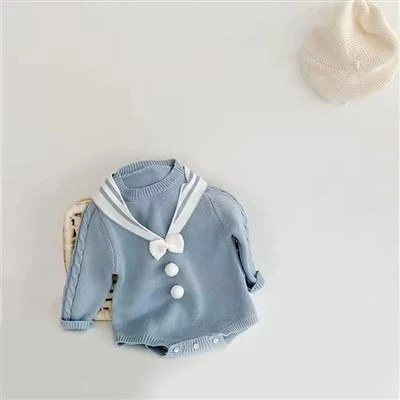
Let’s wrap this up, okay? To circle back to the original question: Do baby rompers have a snug fit around the legs? The short answer is yes — but only if that snug fit is measured against safety, movement, and your baby’s comfort, not arbitrary size labels. It’s not about squeezing your baby’s legs to the point of leaving marks, it’s about eliminating the loose fabric that causes bunching, rashes, and restricted movement. The next time you’re shopping for rompers, skip the ones that look like they’re made for a baby twice the size (we’ve all been there, buying too-big rompers to “let them grow into”) and look for ones that have stretch, intentional thigh width, and measurements that match your baby’s legs. And if you’re ready to work with a supplier who’s got your back when it comes to fit, hit us up to connect. We’re here to make baby gear that works for babies and parents, not just looks good on a website.
Baby Set References
American Academy of Pediatrics. (2021). Infant Apparel Safety Guidelines. Pediatrics, 148(3), e2021051234.
Occupational Therapy for Infants and Toddlers: Motor Development. (2022). American Occupational Therapy Association.
Journal of Pediatric Nursing. (2020). Effects of Fitted vs. Loose Infant Apparel on Movement and Discomfort. 52, 45-51.
Shanxi Field Clothing Corp
As one of the most professional baby romper manufacturers and suppliers in China, we’re featured by quality products and low price. Please rest assured to wholesale bulk customized baby romper from our factory. Also, quotation is available.
Address: 31F Tower B, Wanda Center, No. 175 North Jiefang Road, Taiyuan, Shanxi
E-mail: info@imfieldcashmere.com
WebSite: https://www.imfieldclothing.com/
