As a scrubber supplier, I am often asked how these essential pieces of equipment work. Scrubbers are used in a wide range of industries to remove pollutants from industrial exhaust gases before they are released into the environment. In this blog post, I will explain the basic principles behind scrubber operation and how they can benefit your business. Scrubber

What is a Scrubber?
A scrubber is a pollution control device that uses liquid to remove harmful pollutants from a gas stream. These pollutants can include particulate matter, such as dust and ash, and gaseous pollutants like sulfur dioxide (SO₂), nitrogen oxides (NOₓ), and volatile organic compounds (VOCs). Scrubbers are commonly used in power plants, refineries, steel mills, and other industrial facilities to comply with environmental regulations and reduce the impact of industrial emissions on air quality.
Types of Scrubbers
There are several types of scrubbers, each designed to remove specific types of pollutants and operate under different conditions. The two main categories of scrubbers are wet scrubbers and dry scrubbers.
Wet Scrubbers
Wet scrubbers are the most common type of scrubber. They work by bringing the polluted gas stream into contact with a liquid, usually water. The liquid absorbs or reacts with the pollutants, removing them from the gas. Wet scrubbers can be further divided into different types based on their design and operation:
- Packed Bed Scrubbers: These scrubbers use a packed bed of material, such as ceramic or plastic saddles, to increase the contact area between the gas and the liquid. The gas passes through the packed bed, and the liquid is sprayed onto the top of the bed, flowing down through the packing and contacting the gas. The pollutants are absorbed or reacted with the liquid as it flows down.
- Venturi Scrubbers: Venturi scrubbers use a constricted section in the gas flow path to create a high – velocity gas stream. The liquid is injected into the high – velocity gas stream, causing the droplets to atomize and mix thoroughly with the gas. The high – velocity impact between the liquid droplets and the pollutant particles or gases helps to remove the pollutants.
- Spray Tower Scrubbers: In spray tower scrubbers, the liquid is sprayed into the tower in the form of droplets. The gas stream enters the bottom of the tower and flows upward, counter – current to the falling liquid droplets. The pollutant removal occurs as the gas contacts the liquid droplets.
Dry Scrubbers
Dry scrubbers, on the other hand, do not use a liquid as the main scrubbing medium. Instead, they use a dry sorbent material, such as lime or sodium bicarbonate, to react with the gaseous pollutants. The sorbent is injected into the gas stream, where it reacts with the pollutants to form a solid by – product. The solid by – product is then removed from the gas stream using a particulate control device, such as a baghouse or an electrostatic precipitator.
How Wet Scrubbers Work
Let’s take a closer look at how wet scrubbers operate, as they are the more commonly used type.
Gas – Liquid Contact
The first step in the operation of a wet scrubber is to bring the polluted gas stream into contact with the liquid. This is crucial because the removal of pollutants depends on the interaction between the gas – phase pollutants and the liquid. The design of the scrubber is engineered to maximize the contact surface area and the residence time of the gas and the liquid.
When the gas and the liquid come into contact, several processes can occur. For particulate matter, the liquid droplets can capture the particles through mechanisms such as inertial impaction, interception, and diffusion. Inertial impaction occurs when the large particles in the gas stream are too heavy to follow the gas flow around the liquid droplets and collide with them. Interception happens when the particles come close enough to the liquid droplets to be caught by the liquid’s surface. Diffusion is the process by which small particles move randomly and come into contact with the liquid droplets.
For gaseous pollutants, absorption or chemical reaction takes place. Absorption occurs when the gas molecules dissolve in the liquid. The solubility of the gas in the liquid depends on factors such as the temperature, pressure, and the chemical nature of the gas and the liquid. Chemical reactions can also occur between the gaseous pollutants and the chemicals dissolved in the liquid. For example, sulfur dioxide can react with an alkaline solution in the liquid to form sulfates.
Pollutant Removal and Separation
After the gas – liquid contact, the next step is to separate the clean gas from the liquid containing the removed pollutants. This is typically done using a separator, such as a mist eliminator. Mist eliminators are designed to remove the liquid droplets entrained in the gas stream after the scrubbing process. They can be made of various materials, such as wire mesh, fiber beds, or vanes. The gas passes through the mist eliminator, and the liquid droplets are captured and drained away.
The liquid that has absorbed the pollutants then needs to be treated. Depending on the nature of the pollutants and the liquid used, the treatment can involve processes such as neutralization, precipitation, or filtration. The treated liquid can sometimes be recycled back into the scrubber system, reducing water consumption.
How Dry Scrubbers Work
Dry scrubbers operate in a different way compared to wet scrubbers.
Sorbent Injection
The process starts with the injection of a dry sorbent into the gas stream. The sorbent is chosen based on the type of pollutants to be removed. For example, if the target pollutant is sulfur dioxide, lime (calcium oxide or calcium hydroxide) is commonly used as a sorbent. The sorbent is typically injected upstream of a particulate control device, such as a baghouse.
Chemical Reaction
As the gas stream flows through the duct, the sorbent particles come into contact with the gaseous pollutants. A chemical reaction occurs between the sorbent and the pollutants. For instance, when lime is used to remove sulfur dioxide, the following reaction takes place:
Ca(OH)₂ + SO₂ → CaSO₃ + H₂O
CaSO₃ can further react with oxygen in the gas stream to form calcium sulfate (CaSO₄).
Particulate Removal
After the chemical reaction, the solid by – products and any unreacted sorbent are removed from the gas stream using a particulate control device. A baghouse is a common choice. In a baghouse, the gas passes through a series of fabric bags. The solid particles are trapped on the surface of the bags, and the clean gas passes through the fabric and exits the baghouse. Periodically, the bags are cleaned to remove the accumulated particles.
Benefits of Using Scrubbers
Using scrubbers in industrial processes offers several benefits.
Environmental Compliance
One of the primary reasons for using scrubbers is to comply with environmental regulations. Governments around the world have set strict limits on the emission of pollutants such as sulfur dioxide, nitrogen oxides, and particulate matter. Scrubbers can effectively reduce these emissions, helping industrial facilities to meet the regulatory requirements and avoid costly fines.
Air Quality Improvement
By removing pollutants from industrial exhaust gases, scrubbers contribute to the improvement of air quality in the surrounding areas. This is beneficial for the health of the local population, as exposure to pollutants such as particulate matter and sulfur dioxide can cause respiratory problems, heart disease, and other health issues.
Process Optimization
In some cases, scrubbers can also help in process optimization. For example, in a power plant, the removal of sulfur dioxide from the flue gas can prevent the corrosion of downstream equipment, such as ducts and heat exchangers. This can extend the lifespan of the equipment and reduce maintenance costs.
Why Choose Our Scrubbers
As a professional scrubber supplier, we offer a range of high – quality scrubbers designed to meet the specific needs of our customers. Our scrubbers are engineered with the latest technology to ensure efficient pollutant removal, reliability, and low operating costs.
We have a team of experienced engineers who can provide customized solutions based on your industry, the type of pollutants you need to remove, and your operating conditions. Whether you need a small – scale scrubber for a compact industrial facility or a large – scale system for a major power plant, we can design and manufacture the right scrubber for you.
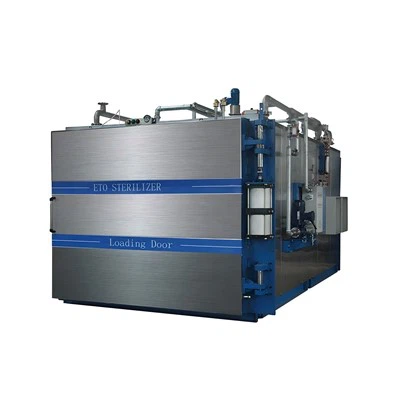
We also provide comprehensive after – sales service, including installation, commissioning, maintenance, and technical support. Our goal is to ensure that your scrubber system operates smoothly and effectively for many years to come.
Scrubber If you are interested in learning more about our scrubbers or would like to discuss your specific requirements, we encourage you to contact us. We are ready to have a detailed discussion with you about your scrubber needs and provide you with a competitive quote. Our team will work closely with you to understand your situation and offer the best possible solution. Don’t hesitate to reach out, and let’s start the conversation about how our scrubbers can benefit your business.
References
- Perry, R. H., & Green, D. W. (Eds.). (2008). Perry’s Chemical Engineers’ Handbook. McGraw – Hill.
- Cheremisinoff, N. P. (2002). Air Pollution Control Equipment Handbook. Butterworth – Heinemann.
Hangzhou Riches Engineering Co., Ltd.
Hangzhou Riches Engineering Co., Ltd. is one of the most professional scrubber manufacturers and suppliers in China, specialized in providing high quality custom service and ODM service. We warmly welcome you to buy high-grade scrubber for sale here from our factory.
Address: No. 368, Wenjiao Road, Fuyang District, Hangzhou
E-mail: jason@riches-company.com
WebSite: https://www.eto-sterile.com/
