As a supplier of guanidine biocides, I often find myself in conversations about their environmental impact. In an era where environmental consciousness is at an all – time high, the question "Are guanidine biocides environmentally friendly?" is both relevant and crucial. This blog aims to delve into the science behind guanidine biocides, evaluate their environmental friendliness, and provide insights for those considering their use. Guanidine Biocides
Understanding Guanidine Biocides
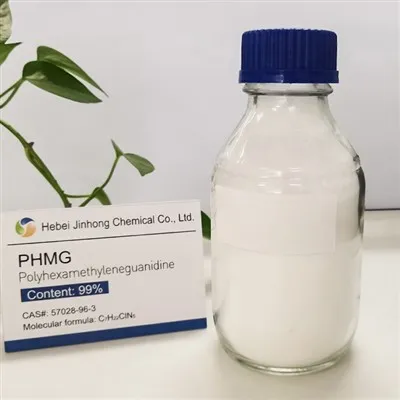
Guanidine biocides are a class of chemical compounds that have been widely used in various industries for their antimicrobial properties. The most well – known guanidine biocide is polyhexamethylene guanidine (PHMG). These biocides work by disrupting the cell membranes of microorganisms, leading to their death. They are effective against a broad spectrum of bacteria, fungi, and viruses, which makes them popular in applications such as water treatment, disinfectants, and preservation of personal care products.
Environmental Impact Assessment
Biodegradability
One of the key factors in determining the environmental friendliness of a biocide is its biodegradability. Guanidine biocides have shown varying degrees of biodegradability. PHMG, for example, is reported to be biodegradable under aerobic conditions. Studies have indicated that in the presence of the appropriate microbial consortia, PHMG can be broken down into smaller, less harmful compounds over time. However, the rate of biodegradation can be influenced by factors such as pH, temperature, and the presence of other chemicals in the environment. In some cases where the environmental conditions are not optimal, the biodegradation process may be slower, which could potentially lead to accumulation in the environment.
Toxicity to Non – target Organisms
Assessing the toxicity of guanidine biocides to non – target organisms is another important aspect. In general, these biocides have relatively low acute toxicity to mammals when used at recommended concentrations. However, they can be toxic to aquatic organisms, especially fish and invertebrates. For example, some studies have shown that exposure to high concentrations of guanidine biocides can cause damage to the gills and other organs of fish, leading to reduced survival rates. Similarly, invertebrates such as daphnia can be sensitive to the presence of these biocides in water systems.
Persistence in the Environment
The persistence of guanidine biocides in the environment is a concern. If they are not readily degraded, they can remain in soil, water, and sediment for extended periods. This persistence can lead to bioaccumulation in the food chain. In some cases, even low – level, long – term exposure to these biocides can have negative effects on ecosystems. However, proper usage and disposal practices can help minimize their persistence in the environment.
Advantages in Environmental Terms
Despite the potential environmental concerns, guanidine biocides also offer several advantages in terms of environmental friendliness.
Reduced Use of Hazardous Chemicals
Guanidine biocides can replace more hazardous chemicals in many applications. For example, in water treatment, they can be used instead of chlorine – based disinfectants, which can form harmful disinfection by – products such as trihalomethanes. By using guanidine biocides, the formation of these potentially carcinogenic compounds can be reduced, leading to a safer water supply and less environmental pollution.
Lower Volatility
Compared to some other biocides, guanidine biocides have lower volatility. This means that they are less likely to evaporate into the air and contribute to air pollution. In indoor applications, such as in hospitals and commercial buildings where air quality is a concern, the use of low – volatility guanidine biocides can help maintain a healthier environment.
Mitigating Environmental Risks
As a supplier, we are committed to promoting the responsible use of guanidine biocides to mitigate their environmental risks.
Education and Training
We provide comprehensive education and training to our customers on the proper use, handling, and disposal of guanidine biocides. This includes information on the recommended concentrations for different applications, as well as guidelines on how to minimize the release of these biocides into the environment.
Product Development
We invest in research and development to improve the environmental performance of our guanidine biocides. This includes developing formulations that are more biodegradable and have lower toxicity to non – target organisms. By continuously innovating, we aim to create products that are not only effective but also more environmentally friendly.
Monitoring and Compliance
We encourage our customers to monitor the environmental impact of their use of guanidine biocides. This can involve regular water and soil testing to ensure that the levels of these biocides are within acceptable limits. We also ensure that our products comply with all relevant environmental regulations and standards.
Conclusion
The question of whether guanidine biocides are environmentally friendly is not a simple one. They have both positive and negative aspects in terms of their environmental impact. On one hand, they offer advantages such as reduced use of hazardous chemicals and lower volatility. On the other hand, there are concerns regarding their biodegradability, toxicity to non – target organisms, and persistence in the environment.
However, through responsible use, education, product development, and compliance with environmental regulations, the environmental risks associated with guanidine biocides can be effectively managed. As a supplier, we are dedicated to providing high – quality guanidine biocides that balance effectiveness with environmental friendliness.
Fabric Antimicrobial If you are considering using guanidine biocides in your industry, we invite you to contact us for more information and to discuss your specific needs. Our team of experts is ready to provide you with the guidance and support you need to make an informed decision.
References
- Aiba, S. (2001). Antibacterial polycationic polymers and their potential applications in water disinfection. Current Opinion in Biotechnology, 12(3), 242 – 247.
- Feng, Q. L., Wu, J., Chen, G. Q., Cui, F. Z., Jin, C. Y., & Kim, T. N. (2000). A novel polycationic bactericide with high efficacy and low toxicity. Journal of Biomedical Materials Research, 52(2), 430 – 436.
- Kim, J. H., & Ahn, J. S. (2006). Biodegradation of polyhexamethylene guanidine phosphate in the presence of an alkylbenzyldimethylammonium chloride surfactant. Journal of Industrial and Engineering Chemistry, 12(6), 723 – 727.
Hebei Jinhong Chemical Co., Ltd.
Hebei Jinhong Chemical Co., Ltd. is one of the most professional guanidine biocides manufacturers and suppliers in China. With abundant experience, we warmly welcome you to wholesale high quality guanidine biocides made in China here and get pricelist from our factory. For price consultation, contact us.
Address: North of Fazhan Road, East of Qingyuan Road, Nanbao Development Zone, Tangshan City, Hebei Province
E-mail: kevin@hbjhchemical.com
WebSite: https://www.hbjhchemical.com/
