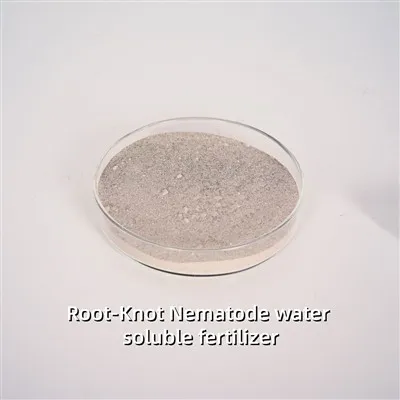
As a dedicated provider of Organic Water Soluble Fertilizer, I’ve seen firsthand the growing interest in understanding the nutrient content of our products. In this blog, I’ll delve into the essentials of what makes up organic water-soluble fertilizers, their benefits, and how they contribute to plant health. Organic Water Soluble Fertilizer
The Core Nutrients in Organic Water Soluble Fertilizer
Macronutrients
One of the primary attractions of organic water-soluble fertilizers is their rich macronutrient content. Macronutrients are elements that plants require in relatively large quantities for proper growth and development. The "big three" macronutrients are nitrogen (N), phosphorus (P), and potassium (K), often referred to as NPK.
-
Nitrogen (N): Nitrogen is crucial for leafy growth and the production of chlorophyll, the green pigment that enables plants to convert sunlight into energy through photosynthesis. In organic water-soluble fertilizers, nitrogen can be sourced from various natural materials such as fish emulsion, blood meal, or compost tea. These organic sources release nitrogen slowly, providing a steady supply of this essential nutrient to plants over time. This slow-release characteristic helps prevent over-fertilization, which can lead to excessive vegetative growth at the expense of flower and fruit production.
-
Phosphorus (P): Phosphorus plays a vital role in root development, flowering, and fruiting. It is involved in energy transfer processes within the plant, such as the conversion of light energy into chemical energy during photosynthesis. Organic sources of phosphorus in water-soluble fertilizers include bone meal, rock phosphate, and manure. These materials not only supply phosphorus but also contain other beneficial elements and organic matter that improve soil structure and fertility.
-
Potassium (K): Potassium is essential for overall plant health and stress tolerance. It regulates the opening and closing of stomata, which are tiny pores on the surface of leaves that control gas exchange and water loss. Potassium also helps in the activation of enzymes involved in various metabolic processes within the plant. Organic sources of potassium in water-soluble fertilizers include wood ash, kelp meal, and potassium sulfate derived from natural sources.
Secondary Nutrients
In addition to the macronutrients, organic water-soluble fertilizers also contain secondary nutrients, which are required by plants in smaller quantities but are still essential for their proper functioning.
-
Calcium (Ca): Calcium is important for cell wall development and strength. It helps prevent diseases and disorders such as blossom end rot in tomatoes and peppers. Organic sources of calcium in water-soluble fertilizers include gypsum, lime, and calcium-rich organic materials like eggshells.
-
Magnesium (Mg): Magnesium is a central component of chlorophyll and is involved in photosynthesis and enzyme activation. It also plays a role in the transport of phosphorus within the plant. Organic sources of magnesium in water-soluble fertilizers include Epsom salts (magnesium sulfate) and dolomite lime.
-
Sulfur (S): Sulfur is necessary for the synthesis of proteins, vitamins, and enzymes in plants. It also contributes to the flavor and aroma of some crops, such as onions and garlic. Organic sources of sulfur in water-soluble fertilizers include elemental sulfur and sulfur-containing organic compounds.
Micronutrients
Micronutrients, also known as trace elements, are required by plants in very small amounts but are equally important for their growth and development.
-
Iron (Fe): Iron is essential for the synthesis of chlorophyll and is involved in electron transport processes during photosynthesis. Organic sources of iron in water-soluble fertilizers include iron chelates, which are more readily available to plants than inorganic forms of iron.
-
Manganese (Mn): Manganese is involved in enzyme activation and the synthesis of chlorophyll. It also plays a role in the metabolism of nitrogen and carbohydrates in plants. Organic sources of manganese in water-soluble fertilizers include manganese sulfate and organic matter containing manganese.
-
Zinc (Zn): Zinc is necessary for the synthesis of growth hormones and enzymes in plants. It also plays a role in the development of seeds and fruits. Organic sources of zinc in water-soluble fertilizers include zinc sulfate and organic materials rich in zinc.
-
Copper (Cu): Copper is involved in enzyme activation and the synthesis of lignin, a component of plant cell walls. It also plays a role in the metabolism of carbohydrates and nitrogen in plants. Organic sources of copper in water-soluble fertilizers include copper sulfate and organic matter containing copper.
-
Boron (B): Boron is essential for cell wall formation, pollen germination, and fruit development. It also plays a role in the transport of sugars within the plant. Organic sources of boron in water-soluble fertilizers include borax and organic materials rich in boron.
-
Molybdenum (Mo): Molybdenum is required for the conversion of nitrate to ammonia in plants and is involved in nitrogen fixation by legumes. Organic sources of molybdenum in water-soluble fertilizers include molybdenum sulfate and organic matter containing molybdenum.
Benefits of Organic Water Soluble Fertilizer
Environmental Sustainability
One of the key advantages of using organic water-soluble fertilizers is their minimal impact on the environment. Unlike synthetic fertilizers, which can leach into groundwater and cause pollution, organic fertilizers are derived from natural materials and are more likely to be absorbed by plants. This reduces the risk of nutrient runoff and helps protect water quality. Additionally, organic fertilizers improve soil structure and fertility over time, promoting the growth of beneficial microorganisms and reducing the need for chemical pesticides and herbicides.
Plant Health and Quality
Organic water-soluble fertilizers provide a balanced supply of nutrients to plants, which helps promote healthy growth and development. The slow-release nature of organic nutrients ensures that plants receive a steady supply of food over time, reducing the risk of nutrient deficiencies and excesses. This results in stronger, more resilient plants that are better able to withstand pests, diseases, and environmental stressors. In addition, organic fertilizers can improve the flavor, aroma, and nutritional value of fruits and vegetables, making them more appealing to consumers.
Soil Health
Organic water-soluble fertilizers contain organic matter, which helps improve soil structure and fertility. Organic matter acts as a sponge, holding onto water and nutrients and making them more available to plants. It also provides a food source for beneficial soil microorganisms, which play a crucial role in breaking down organic matter, releasing nutrients, and improving soil health. By using organic fertilizers, you can help build a healthy soil ecosystem that supports the long-term growth and productivity of your plants.
How to Use Organic Water Soluble Fertilizer
Application Rates
The application rate of organic water-soluble fertilizer depends on several factors, including the type of plant, the stage of growth, the soil type, and the environmental conditions. It’s important to follow the manufacturer’s instructions carefully and to conduct a soil test to determine the specific nutrient needs of your plants. In general, organic fertilizers should be applied at a rate of 1-2 pounds per 100 square feet of soil.
Application Methods
Organic water-soluble fertilizers can be applied in several ways, including foliar spraying, soil drenching, and fertigation. Foliar spraying involves applying the fertilizer directly to the leaves of the plant, where it can be absorbed quickly. Soil drenching involves applying the fertilizer to the soil around the base of the plant, where it can be taken up by the roots. Fertigation involves injecting the fertilizer into the irrigation system, which allows for a more even distribution of the fertilizer throughout the soil.
Timing of Application
The timing of application is also important when using organic water-soluble fertilizers. It’s best to apply the fertilizer when the plants are actively growing and in need of nutrients. This is typically during the spring and summer months for most plants. However, some plants may require additional fertilization during the fall or winter months, depending on their growth habits and nutrient requirements.
Conclusion
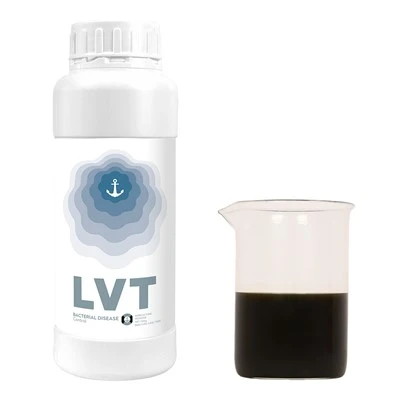
In conclusion, organic water-soluble fertilizers are a valuable tool for gardeners and farmers who are looking for a sustainable and effective way to provide nutrients to their plants. With their rich nutrient content, environmental sustainability, and benefits for plant health and soil fertility, organic water-soluble fertilizers offer a superior alternative to synthetic fertilizers. By understanding the nutrient content of organic water-soluble fertilizers and how to use them properly, you can ensure that your plants receive the right balance of nutrients for optimal growth and development.
Micronutrient Water Soluble Fertilizer If you’re interested in learning more about our Organic Water Soluble Fertilizer products or would like to discuss your specific fertilization needs, please don’t hesitate to contact us. We’d be happy to help you find the right solution for your garden or farm.
References
- Brady, N. C., & Weil, R. R. (2008). The nature and properties of soils (14th ed.). Pearson Prentice Hall.
- Marschner, H. (2012). Mineral nutrition of higher plants (3rd ed.). Academic Press.
- Stevenson, F. J., & Cole, M. A. (1999). Cycles of soil: Carbon, nitrogen, phosphorus, sulfur, micronutrients (2nd ed.). Wiley.
Weifang Lvweite Bio-Tech Co., Ltd.
With abundant experience, we are one of the leading manufacturers and suppliers of organic water soluble fertilizer in China. Please rest assured to buy bulk high quality fertilizers made in China here from our factory. If you have any enquiry about cooperation, please feel free to email us.
Address: No. 6 Xinchuan Rd, Xin’an Street, Anqiu City, Shandong, China
E-mail: info@lvtfertilizer.com
WebSite: https://www.lvtfertilizer.com/
