Hey there! I’m an oil tank supplier, and today I wanna chat about the environmental protection requirements for oil tanks. As someone in the business, I know how crucial it is to meet these standards. Not only does it help protect our planet, but it also keeps us on the right side of the law. Oil Tank

Why Environmental Protection Matters for Oil Tanks
First off, let’s talk about why environmental protection is such a big deal when it comes to oil tanks. Oil is a valuable resource, but it can also be a major pollutant if not stored and managed properly. A single oil spill can have devastating effects on the environment, harming wildlife, contaminating water sources, and even affecting human health.
Think about it. If an oil tank leaks or spills, that oil can seep into the ground and make its way into groundwater. Once it’s in the groundwater, it can spread far and wide, making it really hard to clean up. And if that contaminated water is used for drinking or irrigation, it can cause all sorts of problems.
Material Requirements
One of the key environmental protection requirements for oil tanks is the choice of materials. The materials used to make the tank need to be strong, durable, and resistant to corrosion. That’s because corrosion can lead to leaks, which is a major environmental hazard.
For above-ground oil tanks, steel is a popular choice. But it needs to be properly coated to prevent rusting. There are different types of coatings available, like epoxy or polyurethane. These coatings act as a barrier between the steel and the environment, protecting it from corrosion.
Underground oil tanks have even stricter material requirements. They need to be made of materials that are not only corrosion-resistant but also able to withstand the pressure of the soil around them. Fiberglass-reinforced plastic (FRP) is a common material for underground oil tanks because it’s strong, lightweight, and resistant to corrosion.
Installation and Location
Where you install an oil tank is just as important as the tank itself. When choosing a location for an oil tank, you need to consider a few things. First, it should be away from water sources like rivers, lakes, and wells. This helps prevent any potential spills from contaminating the water.
The tank also needs to be installed on a stable surface. If the ground is uneven or unstable, it can cause the tank to shift or crack, leading to leaks. And it’s a good idea to install the tank in an area that’s easy to access for maintenance and inspections.
Another important thing is to have a secondary containment system. This is basically a barrier around the tank that can catch any spills or leaks. It can be a concrete pad or a plastic liner. The secondary containment system needs to be big enough to hold the entire volume of the tank, plus a little extra for safety.
Maintenance and Monitoring
Regular maintenance and monitoring are essential for keeping oil tanks in good condition and preventing environmental problems. You should have a maintenance schedule in place to check for things like leaks, corrosion, and damage.
One of the most important things to do is to check the tank’s integrity regularly. This can be done through visual inspections, as well as more advanced techniques like ultrasonic testing. Ultrasonic testing can detect any hidden cracks or defects in the tank walls.
You also need to monitor the tank’s level regularly. This helps you keep track of how much oil is in the tank and can also help you detect any leaks. If the level of oil in the tank drops unexpectedly, it could be a sign of a leak.
Regulatory Compliance
There are a lot of regulations in place when it comes to oil tanks. These regulations are designed to protect the environment and ensure the safety of the public. As an oil tank supplier, it’s my job to make sure that the tanks I sell meet all the relevant regulations.
In the United States, for example, the Environmental Protection Agency (EPA) has regulations for both above-ground and underground oil tanks. These regulations cover things like tank design, installation, maintenance, and spill prevention.
If you’re thinking about buying an oil tank, it’s important to make sure that it meets all the local and national regulations. This will not only help you avoid any legal issues but also ensure that the tank is safe and environmentally friendly.
Training and Education
Another important aspect of environmental protection for oil tanks is training and education. If you’re going to be using an oil tank, you need to know how to use it safely and properly. This includes things like how to fill the tank, how to check for leaks, and what to do in case of an emergency.
As a supplier, I offer training and education to my customers. I want to make sure that they know everything they need to know about their oil tanks. This helps them use the tanks safely and also reduces the risk of environmental problems.
Conclusion
So, there you have it. Those are some of the main environmental protection requirements for oil tanks. As an oil tank supplier, I’m committed to providing high-quality tanks that meet all the relevant environmental standards.
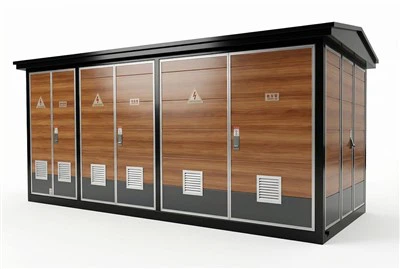
Pad Mounted Transformer If you’re in the market for an oil tank, I’d love to talk to you. Whether you need a small tank for your home or a large tank for your business, I can help you find the right one. Just reach out, and we can start the conversation. Let’s work together to protect the environment and keep your oil storage needs in check.
References
- Environmental Protection Agency (EPA). Regulations for Oil Tanks.
- American Petroleum Institute (API). Standards for Oil Tank Design and Installation.
- National Fire Protection Association (NFPA). Codes for Oil Tank Safety.
Jiangsu Yuantong Electric Co., Ltd.
As one of the most experienced oil tank manufacturers and suppliers in China, we also support customized service. Please rest assured to wholesale bulk high quality oil tank in stock here from our factory. Contact us for more details.
Address: No. 202, Qiaogang Road, Xicheng Subdistrict, Hai’an City
E-mail: jsytdq@jsytelectric.com
WebSite: https://www.jsytelectric.com/
