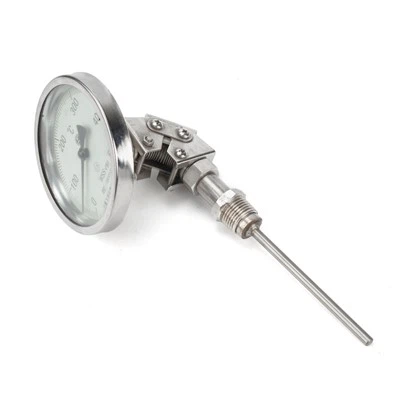
As a thermocouple supplier, I’ve witnessed firsthand the importance of protecting these delicate sensors from damage. Thermocouples are widely used in various industries to measure temperature accurately, and their reliability is crucial for the smooth operation of many processes. In this blog post, I’ll share some practical tips on how to protect a thermocouple from damage, based on my years of experience in the field. Thermocouple
Understanding the Basics of Thermocouples
Before we delve into the protection methods, it’s essential to understand how thermocouples work. A thermocouple consists of two different metal wires joined at one end, forming a junction. When there is a temperature difference between the junction and the other end of the wires, a voltage is generated. This voltage is proportional to the temperature difference, allowing us to measure the temperature accurately.
However, thermocouples are sensitive to various factors that can cause damage and affect their performance. These factors include mechanical stress, chemical corrosion, high temperatures, and electrical interference. By understanding these potential threats, we can take appropriate measures to protect the thermocouples.
Mechanical Protection
One of the most common causes of thermocouple damage is mechanical stress. This can occur during installation, handling, or normal operation. To prevent mechanical damage, it’s important to follow these guidelines:
- Proper Installation: Ensure that the thermocouple is installed correctly, following the manufacturer’s instructions. Use the appropriate mounting hardware and ensure that the thermocouple is securely fastened. Avoid over-tightening the mounting hardware, as this can cause stress on the thermocouple wires.
- Protection Tubes: Use protection tubes to shield the thermocouple from physical damage. Protection tubes can be made of various materials, such as stainless steel, ceramic, or Inconel. Choose a protection tube that is suitable for the application and provides adequate protection against mechanical stress.
- Avoid Bending and Twisting: Thermocouple wires are delicate and can be easily damaged by bending or twisting. Avoid bending the wires at sharp angles or applying excessive force. If the thermocouple needs to be bent, use a gentle curve and avoid sharp bends.
- Handling with Care: When handling the thermocouple, be gentle and avoid dropping or hitting it. Use appropriate tools and equipment to handle the thermocouple, and avoid using excessive force.
Chemical Protection
Chemical corrosion is another major threat to thermocouples. Exposure to corrosive chemicals can cause the thermocouple wires to deteriorate, leading to inaccurate temperature measurements and premature failure. To protect the thermocouple from chemical corrosion, consider the following:
- Material Selection: Choose a thermocouple with materials that are resistant to the chemicals present in the application. For example, if the application involves exposure to acids, choose a thermocouple with a protective coating or made of a corrosion-resistant material.
- Coating and Plating: Apply a protective coating or plating to the thermocouple wires to prevent corrosion. Common coatings include ceramic, Teflon, and nickel. These coatings can provide a barrier between the thermocouple wires and the corrosive environment.
- Isolation: Isolate the thermocouple from the corrosive environment by using a protective tube or a housing. This can prevent direct contact between the thermocouple wires and the chemicals, reducing the risk of corrosion.
- Regular Inspection: Regularly inspect the thermocouple for signs of corrosion. If corrosion is detected, take appropriate measures to clean or replace the thermocouple.
Temperature Protection
Thermocouples are designed to operate within a specific temperature range. Exceeding this range can cause damage to the thermocouple and affect its performance. To protect the thermocouple from high temperatures, consider the following:
- Temperature Rating: Choose a thermocouple with a temperature rating that is suitable for the application. Make sure to check the manufacturer’s specifications to ensure that the thermocouple can withstand the maximum temperature in the application.
- Heat Sinks: Use heat sinks to dissipate heat away from the thermocouple. Heat sinks can be made of materials such as aluminum or copper and can help to reduce the temperature of the thermocouple.
- Insulation: Insulate the thermocouple to prevent heat transfer. This can be done by using insulation materials such as ceramic fiber or fiberglass. Insulation can help to reduce the temperature of the thermocouple and protect it from high temperatures.
- Cooling Systems: In applications where the temperature is extremely high, consider using a cooling system to maintain the temperature of the thermocouple within the acceptable range. Cooling systems can include water cooling, air cooling, or a combination of both.
Electrical Protection
Electrical interference can also cause damage to thermocouples and affect their performance. To protect the thermocouple from electrical interference, consider the following:
- Shielding: Use shielded thermocouple cables to reduce electrical interference. Shielded cables have a conductive layer that surrounds the thermocouple wires, providing a barrier against electromagnetic interference.
- Grounding: Properly ground the thermocouple to prevent electrical interference. Grounding can help to reduce the risk of electrical noise and ensure accurate temperature measurements.
- Isolation Transformers: Use isolation transformers to isolate the thermocouple from the electrical system. Isolation transformers can help to reduce the risk of electrical interference and protect the thermocouple from damage.
- Surge Protection: Install surge protection devices to protect the thermocouple from electrical surges. Surge protection devices can help to prevent damage to the thermocouple caused by sudden voltage spikes.
Regular Maintenance and Inspection
Regular maintenance and inspection are essential for ensuring the long-term performance and reliability of thermocouples. Here are some tips for maintaining and inspecting thermocouples:
- Cleaning: Regularly clean the thermocouple to remove any dirt, debris, or contaminants. Use a soft brush or a cloth to clean the thermocouple, and avoid using abrasive materials that can damage the thermocouple wires.
- Calibration:定期校准热电偶以确保准确的温度测量。按照制造商的说明进行校准,并使用校准设备进行校准。
- Inspection:定期检查热电偶是否有损坏、腐蚀或其他问题。如果发现任何问题,及时采取措施进行修复或更换。
- Documentation:记录热电偶的维护和检查情况,包括校准日期、维护记录和检查结果。这可以帮助您跟踪热电偶的性能和历史记录。
Conclusion

Protecting a thermocouple from damage is essential for ensuring accurate temperature measurements and the long-term reliability of the sensor. By following the tips outlined in this blog post, you can minimize the risk of damage to your thermocouples and ensure their optimal performance.
Digital Temperature Controller As a thermocouple supplier, we are committed to providing high-quality thermocouples and excellent customer service. If you have any questions or need assistance with thermocouple protection, please feel free to contact us. We are here to help you find the best solution for your application.
References
Jiangsu Zhaolong Electric Co., Ltd.
We’re well-known as one of the leading thermocouple manufacturers and suppliers in China, featured by quality products and low price. Please feel free to buy customized thermocouple made in China here from our factory. Contact us for more details.
Address: No. 80, Zhangguo Chang’an Road, Dainan Town, Xinghua City, Jiangsu Province
E-mail: 180193845@qq.com
WebSite: https://www.cnzhaolong.com/
