If you’ve ever stood beside a pad-mounted transformer on a quiet residential street, a commercial parking lot, or a remote industrial site, you might have written it off as an unassuming grey metal box. But as a supplier of pad mounted transformer oil tanks, I see that box for what it is: the quiet backbone of reliable electrical power distribution. The oil tank isn’t just a storage vessel—it’s the critical component that insulates core and windings, dissipates harmful heat, and protects the entire transformer from moisture, dirt, and other contaminants. A poorly insulated oil tank can lead to transformer failures, unplanned power outages, and costly repairs that end up affecting both us as suppliers and the communities we serve. Over the 12 years I’ve been in this business, I’ve worked side-by-side with electrical engineers, utility crews, and maintenance teams to refine every step of how we ensure our oil tanks deliver consistent, long-lasting insulation performance. Today, I want to pull back the curtain on exactly what goes into that process—from material selection to final quality checks—because good insulation starts long before the oil is poured in. Pad Mounted Transformer Oil Tank
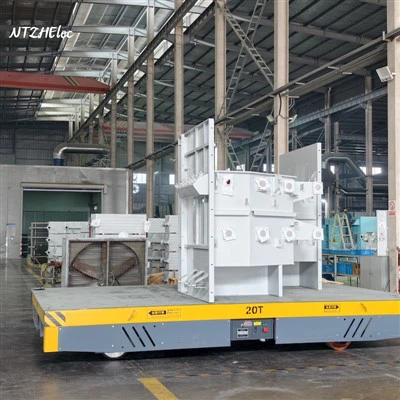
Let’s start with the foundation: the tank’s base material. I’ve seen too many vendors cut corners here, choosing thinner, lower-grade steel to save a few bucks on production. At our facility, we use only ASTM A36 carbon steel, a standard that’s been tested and trusted for power equipment for decades. It’s not just about strength, though that’s important for withstanding ground movement and vehicle impact from lawn maintenance equipment or occasional construction work. The steel’s surface is equally critical, because a rough or improperly prepared surface will ruin any insulation that goes on top of it. We start the manufacturing process with shot blasting: a high-pressure stream of angular steel particles blasts away mill scale, rust, and leftover manufacturing debris, leaving a uniform, slightly rough surface that helps coatings adhere properly. After blasting, we immediately apply a zinc-rich primer—92% pure zinc, not the watered-down stuff some suppliers use—to create a sacrificial barrier that prevents corrosion from seeping into the steel. This primer is cured for 24 hours at a controlled temperature, a step many skip to speed up production, but one that ensures the primer bonds permanently rather than peeling off within a year or two.
Next comes the insulation barrier itself, the part that directly contacts the oil and keeps moisture and contaminants out. For pad-mounted transformers, we use a two-part epoxy-polyurethane topcoat, a choice we tested against 12 other coating systems before landing on this one. Epoxy provides exceptional electrical insulation resistance—measured at over 50 megohms per square inch once cured—while polyurethane adds flexibility to handle temperature fluctuations. Transformers operate in environments that swing from sub-zero winters in northern states to 100-plus degree summers in the Southwest; a rigid coating would crack and develop tiny pinholes that let moisture in within a few thermal cycles. We apply the topcoat using airless spray equipment, a method that delivers a uniform 10-micron thick layer without the drips or uneven coverage common with brush or roller application. To make sure we don’t have any gaps, we run each tank through a holiday test: a high-voltage spark tester that checks for pinholes or thin spots by applying a controlled electrical charge. If the spark jumps through the coating, that spot gets sanded, re-primed, and re-sprayed until it passes. We once had a client return three tanks because their coating had failed the holiday test at a competing supplier; it took us an extra 48 hours to rework them, but that incident taught us that skipping this test is a false economy.
But insulation performance isn’t just about the outer coating. The oil inside the tank is the primary insulation medium, so protecting that oil from contamination is just as important. Most people don’t realize that even tiny amounts of water—less than 50 parts per million—can reduce the oil’s dielectric strength by 30% or more, making it less effective at insulating the core and windings. That’s why every step we take after machining the tank’s interior is designed to keep water and air out. When we weld the tank’s seams—top, bottom, and side walls—we use gas metal arc welding (GMAW) with a 90/10 argon-carbon dioxide mix, which produces a smooth, non-porous weld that doesn’t leave behind tiny crevices where moisture can get trapped. After welding, we conduct a vacuum hold test: we pull a vacuum of 29.5 inches of mercury inside the tank and hold it for 12 hours. If the vacuum drops by more than 0.5 inches, we pressure-test the tank with nitrogen to find the leak. We’ve had seams that looked perfect pass visual inspection but failed the vacuum test; those get re-welded before moving on.
Once the tank is leak-proof, we need to dry out any residual moisture inside. Even the dryest air has moisture, so after blasting, priming, and coating, we heat the tank to 120 degrees Celsius and pull a deep vacuum for 24 hours. This pulls out any trapped moisture from the steel’s pores and the coatings. We measure the moisture content with a dew point sensor—we need to get it down to -40 degrees Celsius or lower before we stop. Why is this so important? When a transformer is filled with oil, any residual moisture in the tank will migrate into the oil, and even after years of operation, that moisture can cause partial discharges that degrade the insulation paper around the windings, leading to eventual failure. I’ve seen transformers that failed 5 years early because the supplier skipped this drying step, and it’s never a pretty sight—especially for a small business that relies on reliable power.
We also pay close attention to the oil seal and breather system, two often-overlooked components that directly impact insulation. The tank’s gasket, which seals the top cover to the main body, needs to compress evenly to create a tight barrier between the inside oil and the outside air. We use EPDM gaskets, which are resistant to oil, UV radiation, and temperature extremes; cheaper neoprene gaskets tend to harden and crack after 3-5 years, letting moist air seep in. When we install the gasket, we use a torque wrench to tighten the cover bolts in a crisscross pattern, so the gasket compresses uniformly, no spot gets squished too hard or left too loose. The breather, which allows the tank to expand and contract as oil heats and cools, is another common weak point. We use a silica gel breather that changes color when it’s saturated with moisture; we also add a secondary dry air filter between the breather and the tank, an extra layer that prevents even tiny moisture particles from entering. Some suppliers skip the secondary filter to cut costs, but in areas with high humidity, that’s a quick way to degrade oil insulation.
Quality control doesn’t end when the tank leaves our loading dock. We’ve worked with several utilities to set up a post-installation maintenance routine that ties back to insulation performance. For example, we recommend testing the oil’s dielectric strength every 2 years—good oil should have a minimum of 30 kV (kilovolts) per 2.5 mm gap. If it drops below that, it’s time to replace the silica gel breather, and in some cases, run a vacuum dehydration process on the oil. We also share a free 12-page maintenance guide with every tank we ship, which includes step-by-step instructions for inspecting the gasket, checking for rust spots on the tank’s base, and testing the breather’s moisture level. A few years ago, we had a utility in Florida that was experiencing oil degradation 2 years after installation; after reviewing our maintenance guide, they found that their breather filter had been left saturated, and replacing it brought the oil’s dielectric strength back up to 38 kV. That’s exactly why we don’t just sell a tank—we partner with our customers to ensure it performs well over its 25+ year lifespan.
Now, I know some of you might be asking: is all this extra work really necessary? Why not just buy the cheapest tank on the market and replace it every 10 years? Let me put it in perspective. A 500 kVA pad-mounted transformer might cost $15,000-$20,000. If the tank fails because of poor insulation, you’re not just replacing the tank—you’re replacing the entire transformer, plus paying for the labor to dig up the old unit, install the new one, and coordinate with the utility to restore power. That’s a cost that can run into $50,000 or more, not to mention the lost revenue for a business that loses power during peak hours. For municipalities, the cost could even be higher if a power outage disrupts water treatment or traffic signals. At our company, we build our tanks to last, and every step we take—from the steel grade to the final vacuum test— is focused on preventing those costly failures.
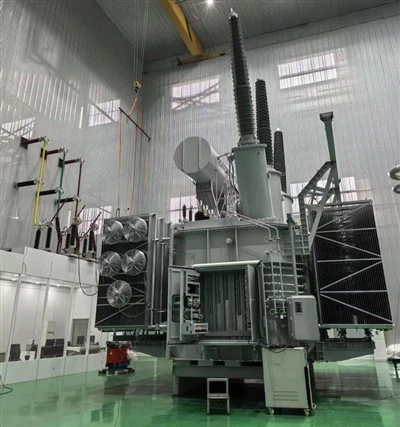
If you’re in the market for a pad mounted transformer oil tank, whether you’re a utility company, a transformer manufacturer, or an electrical contractor, I can tell you that not all tanks are created equal. Too many suppliers treat insulation as an afterthought, a box to check rather than a core performance requirement. After 12 years in this business, I stand behind every tank we build, because I know exactly what goes into it, and I know it will hold up under the toughest conditions. If you have questions about our manufacturing process, our quality standards, or how we can customize a tank to fit your specific application, we’re here to help. We work with customers across North America, offering flexible lead times and competitive pricing without cutting corners on the things that matter most for insulation performance. Reach out to our team to discuss your requirements, and let’s make sure your next pad-mounted transformer setup is built to last.
Transformer Oil Tank References
- American Petroleum Institute. (2018). Standard for Mineral Insulating Oil Used in Electrical Equipment (API 654).
- National Electrical Manufacturers Association. (2020). Pad-Mounted Transformers for Alternating-Current Distribution Systems (NEMA SG-4).
- International Electrotechnical Commission. (2019). Power Transformers – Part 1: General Requirements (IEC 60076-1).
- Steel Structures Painting Council. (2017). Surface Preparation and Coating Specification for Steel Structures (SSPC-SP 6).
Nantong Zhihe Electric Co., Ltd.
As one of the most professional pad mounted transformer oil tank manufacturers and suppliers in China, we’re featured by quality products and low price. Please rest assured to wholesale cheap pad mounted transformer oil tank made in China here from our factory. Customized orders are welcome.
Address: NO.202 Jianghai West Road, Hai’an Town, Hai’an City, Jiangsu Province
E-mail: colt.ntzh@gmail.com
WebSite: https://www.ntzhelectric.com/
