If you’ve stood in a drugstore or beauty boutique lately, staring at rows of cream jars, serum vials, and body oil bottles, you’ve likely asked the same question I hear from our clients every week: Are glass bottles actually a sustainable choice for cosmetic packaging? As the owner of a small, purpose-driven company focused exclusively on sustainable cosmetic packaging, I’ve spent years testing materials, auditing supply chains, and talking to both brand owners and consumers who are tired of greenwashing and want real answers. Sustainable Cosmetic Packaging

Let’s cut through the noise: there’s no one-size-fits-all answer here, but glass’s reputation as either a holy grail of sustainability or a outdated, energy-heavy material is half the story. The truth lives in the details—how glass is made, how it’s used, how it’s collected, and how it stacks up against other common packaging options like plastic, aluminum, or paper. Let’s break it down, starting with the science that backs up glass’s best traits, then getting honest about its flaws, and finally talking about what makes glass (and our job as packaging suppliers) work for the cosmetic brands that want to walk their sustainability talk.
First, the unarguable wins for glass as a sustainable cosmetic packaging choice. The biggest one? Glass is infinitely recyclable—no limits, no degradation in quality, unlike most plastics. Let’s do the quick science: when you recycle glass, you break it down into cullet (crushed glass), which is melted down and reformed into new bottles or jars. Every time it’s recycled, it doesn’t lose purity. The EPA’s 2023 data says that glass has a 70% recycling rate in the U.S. for consumer packaging, and for specialty materials like cosmetic glass, that number jumps even higher because we work with brands that prioritize collecting and returning their empty packaging. For context, PET plastic, the most common cosmetic packaging material, has a U.S. recycling rate of just 29%—and even that plastic can only be recycled 2-3 times before it’s too degraded to use for food or cosmetic applications.
Then there’s the fact that glass is non-porous, which is a huge deal for cosmetics. Most active cosmetic ingredients—vitamin C, retinol, essential oils, hyaluronic acid—break down when they come into contact with porous materials. Plastic, even “food grade” plastic, can leach microplastics and chemical additives into products over time, especially if the product is stored somewhere warm (like a bathroom shelf or a gym bag). Glass doesn’t leach, doesn’t react, and doesn’t trap odors or residue. That means products stay effective longer—no more throwing away half-used serums or face creams because they went bad before you finished them. For a cosmetic brand, that translates to less product waste, which is a far bigger environmental hit than packaging waste.
We’ve also seen that glass aligns with consumer demand that isn’t going away. A 2024 survey by the Organic Trade Association found that 68% of cosmetic buyers are willing to pay 10-15% more for products in packaging they perceive as sustainable, and 72% of those buyers specifically name glass as a preferred material over plastic. That’s not just a trend—it’s a shift in consumer values that brands can’t ignore. When a brand uses glass, they’re not just choosing a material; they’re signaling to their customers that they care about more than just their product’s performance.
But let’s be honest—glass has real, well-documented flaws that make it a tricky option, especially for small cosmetic brands or those operating on tight budgets. The biggest one is weight. A 50ml glass serum bottle is at least 3 times heavier than a comparable PET plastic bottle. That means higher transportation emissions—every truckload of glass takes up less volume, and burns more fuel per mile to move than the same load of plastic. A 2022 study from the Ellen MacArthur Foundation found that the carbon footprint of transporting glass packaging is 2.5 times higher than transporting aluminum, and 4 times higher than transporting rigid plastic. That’s a big red flag for sustainability, because if the supply chain of a product is heavier and more polluting, the end-to-end impact isn’t as good as it could be.
Then there’s breakage. Glass is fragile, which means more products get damaged during shipping, more empty bottles break before they can be filled, and more consumers end up throwing away cracked or unusable glass packaging instead of recycling it. For a small brand that’s just launching, a single broken shipment of $5,000 worth of serum bottles can put them out of business, which is why many startups steer clear of glass entirely. There’s also the cost: glass packaging is more expensive to manufacture, more expensive to ship, and more expensive to handle than plastic. For a brand selling a $20 face cream, adding $3 to $5 of glass packaging instead of $0.50 of plastic can mean the difference between turning a profit and selling at a loss.
And let’s not talk about the dirty secret of glass manufacturing: the energy it takes to make new glass from raw materials. Melting sand, soda ash, and limestone to make virgin glass requires temperatures of around 1,500°C—way higher than what’s needed for plastic or aluminum. A 2021 life cycle assessment (LCA) from the University of California, Santa Barbara, found that virgin glass has a carbon footprint of 0.53 kg CO2 per kg of material, compared to 0.38 kg CO2 per kg of PET plastic. That gap narrows a lot when you use recycled glass (cullet) because you don’t have to mine and process raw materials, and you only need to heat the mixture to around 1,200°C, cutting energy use by 30% and carbon emissions by 25%. But many glass cosmetic packaging suppliers rely on virgin glass because recycled cullet can be inconsistent in color or clarity, which is a problem for premium cosmetic brands that want their packaging to look sleek and high-end.
So where does that leave us? For glass to be a truly sustainable option for cosmetic packaging, it can’t just be a material—it has to be part of a closed-loop system. That’s why our company doesn’t just sell glass bottles; we work with brands to design programs that solve the flaws I just mentioned. Let me give you an example: last year, we partnered with a clean beauty brand that sold anti-aging serums in 50ml amber glass bottles. They were struggling with high shipping costs, breakage, and low recycling rates. We redesigned their bottles to be 15% lighter (using a thinner, food-grade tempered glass that’s just as durable as traditional glass) and included a pre-paid, mail-back label in every product box. When customers return their empty bottles, we send them back to our facility, sort any that are damaged, clean the good ones, and refill them for the brand—cutting their need for virgin glass by 40%, reducing shipping costs by 22%, and boosting their customer recycling rate to 85%. That’s the kind of impact that matters, not just the “glass is good” or “glass is bad” take.
Another key part of making glass work is choosing the right type for the right product. For a heavy body butter or a large jar of face cream, glass is a great fit if you pair it with a take-back program. For a travel-sized lip oil or a single-use sheet mask, glass is probably not the most sustainable choice—those small, lightweight plastic or aluminum options are easier to collect and recycle, with a lower carbon footprint overall. It’s all about matching the material to the use case, not forcing a one-size-fits-all approach.
We also work with our supplier partners to source glass from facilities that use 100% renewable energy. A lot of traditional glass manufacturing relies on coal or natural gas for heat, but a handful of glass plants in North America and Europe now run on wind or solar power, which cuts the carbon footprint of virgin glass by more than 70%. We make it a non-negotiable part of our supplier agreements, because a sustainable material is only as good as the energy used to make it.
One of the biggest mistakes cosmetic brands make when choosing packaging is falling for greenwashing. I can’t tell you how many times a brand has come to us saying their “sustainable” glass packaging is “100% recycled” only to find out it’s made from 10% post-consumer recycled glass and 90% virgin glass. Or they call their packaging “recyclable” but don’t have any plan to actually collect the empty bottles from customers, so most end up in landfills. That’s not sustainability—that’s marketing. True sustainability for packaging means looking at the entire lifecycle: raw material extraction, manufacturing, transportation, use by the consumer, collection, recycling, and any end-of-life impact.
Let’s go back to the consumer data I mentioned earlier. The 68% of shoppers willing to pay more for sustainable packaging aren’t just looking for a pretty glass bottle with a “zero waste” sticker. They want to know that when they finish that serum, they can easily recycle the glass, or send it back to the brand to be reused. A 2023 study from the University of Manchester found that when brands make it easy for customers to return empty packaging, 90% will do it—compared to just 20% when recycling is a hassle. That’s the difference between glass being a sustainable option and just another material.
So is glass a sustainable option for cosmetic packaging? The short answer is: it can be, but only if you approach it strategically, not just as a trend. It works best for premium, long-lasting cosmetics where product integrity is key, and when paired with a closed-loop take-back system, light-weighted manufacturing, and renewable energy for production. It’s not the right choice for every brand, and it’s definitely not the only sustainable choice—but it’s a powerful one when done right.
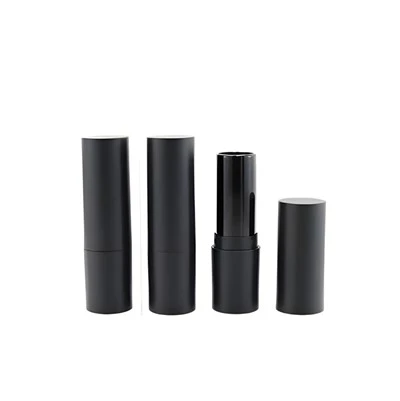
At our sustainable cosmetic packaging company, we don’t sell one-size-fits-all solutions. We work with every brand to audit their current packaging, their supply chain, and their customer needs, then design a glass packaging plan that reduces their carbon footprint, cuts waste, and meets their customers’ expectations. If you’re a cosmetic brand looking to make the switch to more sustainable packaging, especially glass, we’re here to help you navigate the challenges and build a program that delivers real, measurable impact.
Plastic Cosmetic Jars References:
U.S. Environmental Protection Agency. (2023). National Materials Management Survey: Packaging Recycling Rates.
Ellen MacArthur Foundation. (2022). The Future of Packaging: Redesigning for a Circular Economy.
University of California, Santa Barbara. (2021). Life Cycle Assessment of Cosmetic Packaging Materials.
Organic Trade Association. (2024). Consumer Attitudes Toward Sustainable Beauty Packaging.
University of Manchester. (2023). Consumer Behavior in Packaging Take-Back Programs.
Shanghai Medellin Technology Co., Ltd.
As one of the most professional sustainable cosmetic packaging manufacturers and suppliers in China, we serve over 200 renowned cosmetic companies in Italy and France. Please rest assured to wholesale bulk high quality sustainable cosmetic packaging from our factory. Also, custom service is available.
Address: No. 298, Lianrong Building, Linping District, Hangzhou, Zhejiang, China
E-mail: sales@toppackaging.cn
WebSite: https://www.medellin-cn.com/
