Hey there, Laminated Bag

If you’ve ever walked down the toy aisle—whether grabbing a birthday gift for a kid in your life or stocking up for a community giveaway—you’ve probably noticed the mix of packaging out there. Some boxes are flimsy cardboard that gets crushed by the time you get home, others are rigid blister packs that leave tiny fingers poking at sharp edges, and then there are those laminated bags that look a little more durable than the standard plastic ones. As a laminated bag supplier, I get asked this question all the time: “Can laminated bags actually be used for packaging toys?” And honestly, it’s not a yes or no answer—it’s way more nuanced than that, and I’ve seen first-hand how this little-known packaging hack works for all kinds of toys.
Let’s start with the basics. Laminated bags aren’t your grandma’s plain plastic grocery bags. They’re made by bonding two or more layers of material together—usually a plastic film (like polyethylene) and a thin layer of paper, fabric, or even another plastic—to get the best of both worlds. The plastic gives them water resistance, and the other layer adds texture, printability, or extra strength. When I first got into the laminated bag game a few years back, most people only used them for things like shipping apparel or storing office supplies. But after a few customers reached out asking about packaging small toys, I started digging into whether that made sense for safety, functionality, and even cost.
First up, safety—because when you’re packaging something for kids, that’s non-negotiable. Kids are curious, and they’ll try to tear open anything to get to the good stuff. So a toy’s packaging needs to do two things: keep the toy safe until it’s opened, and not pose a choking or hazard risk once it’s opened. Laminated bags check a lot of boxes here. The layers are thick enough that they don’t tear easily when grabbed, dropped, or squeezed, which keeps small parts (like doll clothes, Lego minifigures, or puzzle pieces) from falling out in transit. Wait, but what about kids getting tangled in the bag itself? A lot of standard plastic bags are a suffocation risk for toddlers, right? But here’s a thing: many of the laminated bags I make have pre-cut breathing holes, or I can add them on request. That’s a game-changer because it eliminates that suffocation risk while still keeping the bag tough. I work with a few small toy brands that package their wooden blocks and stuffed animal accessories in these bags, and they’ve never had a single issue with safety checks—something that’s super important when you’re selling to stores that have strict compliance rules.
Then there’s functionality. Let’s be real—toy packaging has to do more than just hold the toy. It has to show it off, tell parents what it is, and stand out on a shelf. Laminated bags are great for this because the laminated layer lets you print really crisp, vibrant graphics. If you’re packaging a set of neon-colored water beads, for example, you don’t want the colors to fade or bleed through the bag before it’s on the shelf. The laminated coating locks in those prints, so the toy looks just as bright as it does in the product photos. I also make custom resealable laminated bags for a few board game brands. Once a family finishes a game, they can just zip the bag back up instead of rummaging through a messy cardboard box where pieces get lost. That’s a huge plus for parents who hate stepping on stray game pieces at 2 a.m. when the kids are playing.
Cost is another big one, especially for small toy makers who are just starting out. Cardboard boxes for toys can be expensive—especially if you need custom sizes, and they take up a lot of space in a warehouse. Laminated bags are lighter and more compact, so they’re cheaper to ship, which means lower overall costs for both the brand and the customer. I had a customer a couple of years ago who was packaging mini toy cars in small cardboard blister packs. They switched to laminated stand-up bags that fit the exact size of the car, and they saved almost 30% on packaging and shipping costs in the first six months. That’s money they could put back into making better toys or marketing their brand, which is why so many small indie toy companies are now reaching out to me for laminated bag quotes.
Wait, but let’s not pretend laminated bags are perfect for every toy. If you’re packaging a large, bulky toy like a pedal bike or a playset with big plastic parts, a laminated bag isn’t going to be tough enough to hold that kind of weight. Those toys need rigid cardboard or hard plastic packaging. Same goes for toys that have lots of moving parts that could scratch or break if they rub against other items during shipping. But for most small to medium-sized toys—think action figures, art supplies, building blocks, plush toys, puzzle pieces, and even small outdoor toys like sidewalk chalk—laminated bags work way better than a lot of people give them credit for.
I’ve also seen how laminated bags are great for seasonal toys. Last holiday season, a local toy maker made custom laminated bags filled with mini stocking stuffers—think small doll accessories, candy, and tiny Lego pieces. They added a little window to the bag so you could see what was inside, and printed a cute snowman graphic on the front. Those sold way faster than the same items packaged in cardboard boxes because the bags were lighter to hang on store displays, and they looked more festive. The best part? After the kid took out the toys, the parents could reuse the bag to store holiday ornaments, craft supplies, or even the next year’s set of mini stocking stuffers. That’s a win-win for everyone—less waste, and more value for the customer.
One thing I tell every toy maker who asks about switching to laminated bags is to think about the “end of life” for the packaging too. A lot of plastic packaging gets thrown away, but many laminated bags can be recycled—wait, no, not all of them, but there are options now. I work with a supplier that makes laminated bags using recycled paper and recyclable plastic films, so the packaging is eco-friendly. That’s a huge selling point for parents who care about reducing their plastic waste. A few months back, I had a customer who made organic stuffed animals, and they switched to my recyclable laminated bags. Their sales went up by almost 20% because many customers mentioned loving that the packaging was sustainable. It’s not just a trend—parents are actively looking for toy packaging that’s better for the planet, and laminated bags can deliver that.
I’ve also dealt with some pushback from people who think laminated bags are just another type of plastic waste. But here’s the thing: when designed right, laminated bags are actually more durable than standard plastic bags, so they last longer. And if you make them from recycled materials, that’s even better. I recently started offering a line of “eco-laminated bags” that are made with 50% post-consumer recycled paper and 30% post-consumer recycled plastic. They’re just as strong, print just as well, and are fully recyclable at facilities that accept mixed-material packaging. For toy brands that want to market their products as eco-friendly, these bags are a no-brainer.
Let me give you a real example to make this concrete. A few months ago, I worked with a small toy company based here in the Midwest that makes wooden building blocks for toddlers. They were using plain cardboard boxes that kept getting crushed during shipping, and many blocks were getting scratched as a result. They switched to my custom laminated stand-up bags with a gusset, which means they can stand up on store shelves without collapsing. The bags have a small window so parents can see the blocks, and we added thick handles so store workers can easily move them around. After three months, they told me their customer complaints about damaged toys dropped by 75%, and their sales increased because the packaging looked more premium. That’s exactly what you want as a supplier—helping a small brand grow while solving a real problem.
So going back to the original question: Can laminated bags be used for packaging toys? The answer is a resounding yes—for the right types of toys, and when designed correctly. They’re safe, cost-effective, great for printing, reusable, and can be eco-friendly if you choose the right materials. The key is to match the bag to the toy. If you’re packaging small, durable toys that don’t need heavy-duty protection, laminated bags are way better than cardboard or flimsy plastic. If you’re packaging large, fragile, or heavy toys, you’ll still need rigid packaging, but laminated bags work for 80% of the toys I see on the market today.
If you’re a toy maker who’s tired of dealing with flimsy packaging, high shipping costs, or bulky cardboard boxes, I’d love to chat. As a laminated bag supplier, I can help you design a custom bag that fits your exact toy, meets safety standards, and stays within your budget. Whether you need small bags for mini figures or larger bags for building blocks, I can work with you to choose the right materials, add windows or handles, or even make eco-friendly options. Don’t just take my word for it—just look at the brands that have already made the switch and seen the results.
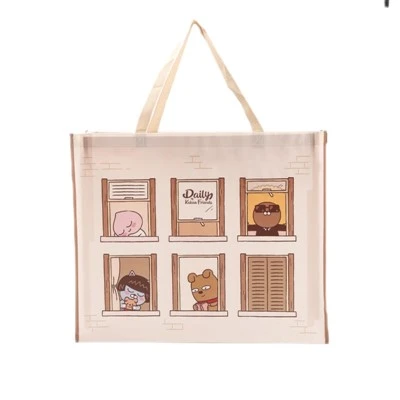
If you’re curious to learn more about how laminated bags can work for your toy line, feel free to reach out. I’m happy to walk you through different options, send samples, and help you figure out what will work best for your products. At the end of the day, good packaging isn’t just about holding a toy—it’s about protecting it, showcasing it, and adding value for both the brand and the customer. Laminated bags do all that, and I’m excited to help more toy makers see that.
Moving Bags References
- ASTM International. (2022). Standard Consumer Safety Specification for Packaging Materials for Toys.
- Sustainable Packaging Coalition. (2023). Laminated Film Packaging: Material Composition and Recycling Guidelines.
- Toy Industry Association. (2022). 2022 Trends in Toy Packaging and Consumer Preferences.
- Packaging Digest. (2023). Stand-Up Pouches for Consumer Products: Benefits and Applications.
- Environmental Protection Agency. (2022). Municipal Solid Waste Generation, Recycling, and Disposal in the United States: 2021 Data.
Jiade (Wenzhou) Daily Necessities Co., Ltd.
As one of the most professional laminated bag manufacturers and suppliers in China, we’re featured by quality products and good price. Please rest assured to buy bulk discount laminated bag from our factory. We also accept customized orders.
Address: Building2,NO.1299,keji Road, Longgang City,Wenzhou City,Zhejiang Province,China.
E-mail: lhf@lianhaibag.com
WebSite: https://www.jiadebag.com/
