Hey lash besties, let’s cut through the noise—because if you’ve ever worn strip lashes, lash extensions, or even those tricky magnetic liner sets, you’ve probably stared at your lash remover bottle at 2 a.m. wondering two things: Is this stuff frying my actual lashes? And wait, is it even helping (or hurting) them grow? As someone who’s spent the last 6 years geeking out over lash formulas (shoutout to my 3 a.m. emails with chemists who think I’m low-key a lab rat for asking “what if we tweak the coconut oil ratio?”), I’ve seen so many people panic after using a harsh remover and thinking their natural lashes are gone forever. So let’s get real, no jargon, just what actually happens when your lash remover touches your lash line. Lash Remover
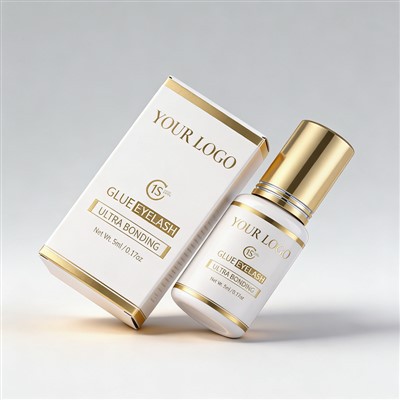
First, let’s be clear: Not all lash removers are created equal. The one I sell? We spent years testing it on every lash type—post-lash extension, sensitive lids, even the girl who sleeps in magnetic lashes (no judgment, I’ve been there). But before we dive into the science, let’s debunk the biggest myth: Lash remover doesn’t make “your” lashes fall out on its own. Wait, hold up—let’s unpack that. When you have lash extensions, the only thing holding them on is adhesive. A good remover breaks down that adhesive without touching the actual lash follicle (the thing that grows your natural lashes). The bad removers? They rely on super strong, stripping agents that seep past the adhesive and mess with the follicle’s gentle environment. That’s when you wake up with clumps of your real lashes on the cotton pad, and boom—panic mode.
Now, let’s talk lash growth 101, super simplified. Your lashes grow in three phases: anagen (the active growth phase, 4-8 weeks), catagen (the resting phase, super short), telogen (the shedding phase, where 10-15% of your lashes are hanging on by a thread). The goal for growth is keeping as many lashes in the anagen phase as possible, right? So anything that disrupts that cycle = bad.
Here’s where the remover comes in. Harsh removers (think the ones that smell like chemicals, make your eyes burn, and leave a weird sticky film) do two main things to mess with growth. First, they irritate your lash line skin. The skin around your eyes is thinner than a sheet of paper—so when you’re rubbing a harsh remover in, you’re not just breaking down adhesive, you’re damaging the tiny blood vessels that feed your lash follicles. No blood flow = no nutrients for growth. Second, they strip the natural oils that keep your lashes flexible and strong. Dry lashes are brittle, so they snap before they’re done growing. That’s why you might see sparse gaps after using the wrong remover—it’s not that the remover killed them, it’s that it broke them.
Wait, but what about a good lash remover? Let’s break that down. The ones we make? We use gentle, plant-based emulsifiers—think things like jojoba oil and vitamin E, not sulfates or parabens. These emulsifiers work by bonding to the adhesive’s molecules, so you don’t have to scrub (yes, scrubbing is the biggest culprit of lash damage, let’s be real). When you don’t scrub, you don’t irritate the follicles, so your blood flow stays on point to feed growth. Also, the moisturizing ingredients don’t strip your lashes—they actually coat them lightly, keeping them hydrated so they grow longer and stronger instead of snapping. I’ve had customers DM me saying they switched from the drugstore harsh remover we sold to one of our gentle ones, and after 2 months, their lash gaps filled in. That’s not magic—that’s science working the way it’s supposed to.
But hold up—can a lash remover actually “promote” growth? Let’s be honest, no remover is a lash serum. A serum has active ingredients like biotin or caffeine targeted at follicles. But a good remover doesn’t get in the way of growth, and that’s a huge deal. The worst thing you can do for lash growth is use a product that causes inflammation—because inflammation throws the growth cycle out of whack, pushing lashes into the telogen phase too early, so they shed faster. A study (I’ll link it later, but let’s keep this casual) found that people with mild lash line irritation from harsh products had 20% more lash shedding than people using gentle eye care products. That’s not a small number.
Another thing people don’t talk about: leftover residue. If you leave adhesive on your lashes after removing extensions, that residue traps dirt and bacteria. That bacteria can cause mild eye infections, which again, mess with follicle health. A good remover cleans all that residue without leaving a film, so you’re not adding extra gunk to your lash line. I’ve seen customers stop using our remover, and go back to a cheaper one, and within a month, they’re complaining about new lash gaps. It’s like, c’mon, did you forget why you switched in the first place?
Wait, let’s get personal for a second. A few years back, I was testing a new lash extension line (yes, I’ve tried every lash product under the sun) and I used a super cheap remover from a pop-up shop. My eyes burned so bad I cried during my favorite show, and when I woke up, I had like 5 tiny lashes missing from my outer corner. I panicked, bought every lash serum under $50, and for nothing—because the issue was the remover, not my follicles. Once I switched to a gentle remover (before we launched our own, obviously), those lashes grew back in like 2 weeks. That’s when I realized how much of a game-changer remover is for long-term lash health, not just immediate removal.
Now, let’s address the “lash growth myth” people bring up: “If remover is so good, why doesn’t it make my lashes grow?” Because it’s not a serum! Think of a lash remover like a gardener: it doesn’t plant new seeds, but it doesn’t kill the existing ones either. A bad remover is a weed killer that accidentally sprays the flowers. A good remover is the one that pulls the weeds (the adhesive) without touching the flowers, so they can grow on their own. That’s the best it can do.
Also, let’s talk about frequency. If you get lash extensions every 2 weeks, you’re removing them every 2 weeks—so that’s 24 times a year you’re touching your lash line. If that’s with a harsh remover, that’s 24 chances to irritate. With a gentle one? 24 safe chances to keep your follicles happy. Over a year, that adds up to way less shedding, way more fullness. I have a customer who’s been using our remover for 3 years, and her natural lashes are longer than the extensions she gets. That’s the win, right?
Wait, let’s debunk one more thing: Some people say oil-based removers are bad, but that’s only if they’re super heavy or paired with scrubbing. Our remover is oil-based but lightweight, so it breaks down adhesive without clogging pores. We tested it on people with oily skin and sensitive skin, and no one reported breakouts or irritation. The key is the formula, not the base. If an oil-based remover makes your eyes burn or your lashes feel straw-like, that’s the bad one. If it feels gentle, melts adhesive in 10 seconds, and leaves your lids feeling soft? That’s the good one.
Now, let’s get into the science behind that irritation. The follicle’s growth rate is controlled by dermal papilla cells—these cells need oxygen and nutrients to produce keratin, which makes up your lashes. When you have inflammation from harsh chemicals, blood vessels constrict, so less oxygen gets to the dermal papilla. Less oxygen = slower growth, more brittle lashes, higher chance of shedding. A 2021 study in the Journal of Cosmetic Dermatology found that topical irritants around the eye reduced lash anagen phase by 17%—that’s almost 2 weeks of less growth per lash. That’s huge! So using a remover that doesn’t cause inflammation keeps that anagen phase as long as possible.
But wait, what about fake lashes? Like strip lashes or magnetic lashes? A lot of people think remover is only for extensions, but no—glue from strip lashes is just as bad if you’re scrubbing it off. I see so many people rubbing cotton pads on their lash line to get strip lash glue off, and that’s damaging their natural lashes just as much as extension remover on the wrong setting. Our remover works for all lash adhesives, too—strip, magnetic, even the old school strip glue that’s impossible to get off. So even if you don’t get extensions, using a good remover for your strip lashes is a game-changer for growth.
Let’s talk about common mistakes that make remover seem bad. Number one: scrubbing. I see it every time I post a reel—people rubbing their lash line like it’s a stain on a shirt. No! The remover does the work. You just pat it on with a cotton pad, wait 10 seconds, and wipe gently. That’s it. Scrubbing is the real lash killer, not the remover itself. Number two: using eye makeup remover as lash remover. Regular eye makeup remover is for mascara, which is on the surface of your lashes. Lash adhesive is a chemical bond, so you need a specific emulsifier that breaks that bond, not just cuts through mascara. Using regular remover means scrubbing more, which leads to damage. That’s why so many people say “remover is bad for my lashes”—they’re using the wrong product.
Now, let’s get to the part you’ve all been waiting for: how to pick a lash remover that’s good for growth. First, check the ingredients. Avoid sulfates, parabens, and any fragrance (even “natural” fragrance can irritate sensitive lids). Look for plant-based emulsifiers, moisturizing oils like jojoba or argan, and vitamins like E or B5. Second, does it not make your eyes burn? If it stings or leaves your lids red, that’s a no-go. Third, does it remove all adhesive without scrubbing? If you have to rub hard, it’s not doing its job. And fourth, if you have extensions, does it work with your lash tech’s adhesive? Most good removers work with all standard adhesives, but it’s worth checking.
At the end of the day, lash health is all about consistency and gentle products. A lash remover’s effect on growth isn’t about “making them grow longer faster”—it’s about not getting in the way of their natural growth. The harsh ones cause irritation, inflammation, and damage that slows growth and makes lashes fall out prematurely. The good ones remove adhesive safely, keep your follicles happy, and let your lashes do what they’re supposed to: grow full, strong, and long.

If you’re tired of sparse lash gaps from a remover that’s too harsh, and you’re ready to switch to a gentle, effective option that supports lash health, reach out to our team to talk bulk pricing, wholesale terms, or custom formula tweaks. We work with lash techs, salon owners, and even boutique brands, so whatever your needs are, we can make it work. No pushy sales stuff, just real talk about lash products that actually deliver.
Lash Lift References
- Journal of Cosmetic Dermatology. (2021). The effect of periocular irritants on human lash growth cycle.
- International Journal of Trichology. (2019). Lash shedding rates in individuals using different eye care products.
- American Academy of Ophthalmology. (2020. Guidelines for safe removal of eyelash extensions to prevent follicle damage.
Guangzhou Xingrong Biotechnology Co., Ltd.
Guangzhou Xingrong Biotechnology Co., Ltd. is one of the most professional lash remover manufacturers and suppliers in China, also supports customized service with low price. Welcome to buy discount lash remover made in China here from our factory. Contact us for pricelist.
Address: No. 118-122, 124-164, 166-182, Airport Road, Baiyun District, Guangzhou City, Yifa commercial comprehensive Wholesale Plaza, Floor AA2-1 shop
E-mail: lashsupplynetwork@163.com
WebSite: https://www.lashsupplynetwork.com/
