If you’ve ever worked with power distribution systems, audio equipment, medical devices, or industrial machinery, chances are a toroidal transformer was quietly making your setup run safely and efficiently. As someone who’s spent 12 years selling toroidal transformers to engineers, electricians, and equipment builders around the world, I’ve seen firsthand how a single wrong choice in insulation can turn what’s otherwise a compact, high-performance component into a hidden safety hazard. Most of the time, when a client reaches out worried about a transformer failing, the root cause isn’t the core material or the copper winding—it’s the insulation. Let me break down how insulation shapes a toroidal transformer’s safety, why it matters more here than in other transformer designs, and what I (and my team) prioritize when we build units for our clients. Toroidal Transformer
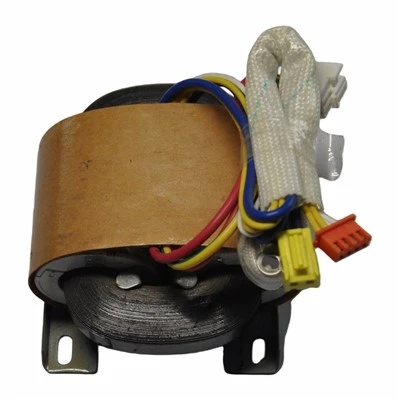
First, let’s get on the same page about what makes toroidal transformers unique, because that’s key to why insulation is such a critical factor for them. Unlike traditional laminated core transformers, which have a bulky, rectangular E-I core, toroidal transformers have a doughnut-shaped core made of tightly wound grain-oriented silicon steel. That compact design means they use far less copper, run cooler, and deliver more power in a smaller footprint—but it also leaves the windings tightly packed around the core, with almost no extra space between layers or between the windings and the transformer’s outer shell. Where a standard transformer might have an inch of clearance between live parts and the casing, a toroidal often has millimeters, max. That tight spacing means insulation isn’t just a performance upgrade—it’s a safety barrier, full stop.
Let’s start with the most basic safety function of insulation in any electrical component: preventing electrical shock. Every transformer has two sets of windings: primary, which connects to the grid, and secondary, which sends power to your device. These two windings are electrically isolated from each other for a reason—if they touch, you get a short circuit, which can blow fuses, start fires, or feed high-voltage current directly into the device’s user-facing parts. But in a toroidal, that isolation relies entirely on insulation because there’s no room for air gaps. I’ve had a client who was using cheap off-brand toroids for a line of studio monitors reach out to me after a few units shocked users. When I inspected the failed transformer, the insulation between the primary and secondary windings had worn thin from vibration during shipping, leaving a tiny gap where copper wires touched. The fix? We switched to a thicker, heat-resistant insulation layer between the winding layers, and we also add a layer of double-sided insulation tape around the entire secondary winding before wrapping the primary. That extra step adds less than a millimeter to the transformer’s total size, but it eliminates the risk of cross-winding contact.
Shock protection isn’t just between windings, either. The outer casing of a transformer is usually conductive metal (steel or aluminum), and if a live winding touches that casing, the entire frame of the device becomes energized—another shock hazard. For low-voltage transformers used in consumer electronics, this is often addressed with a simple plastic casing, but for high-voltage units (like the ones we build for industrial control systems or medical imaging equipment), plastic alone isn’t enough. Medical devices, in particular, have strict safety standards (like IEC 60601) that require what’s called “double insulation” between live parts and accessible surfaces. That means two layers of insulation, each capable of withstanding the full grid voltage, so if one layer fails, the second takes over. On our high-voltage toroids, we use a combination of Nomex paper (a heat-resistant aramid material) and a high-temperature epoxy coating on the winding ends, plus a reinforced plastic housing molded to fit the toroid’s shape. I remember a contract we won last year to build transformers for a portable X-ray device; the manufacturer had been using a standard toroid from another supplier that kept failing shock tests because their insulation was too thin for the 10,000-volt secondary winding. We worked with their engineering team to adjust our insulation layering, adding a third intermediate insulation layer between core and windings that brought the unit into compliance without making the transformer any larger than their original design.
Next, insulation plays a huge role in preventing overheating and fire, which are the two most common catastrophic failures in transformers. Toroidal transformers run cooler than other designs because their core is more efficient, but they still generate heat from the resistance of the copper windings and the magnetic flux in the core. If insulation can’t handle that heat, it breaks down over time. The breakdown temperature for insulation is called its thermal rating—if the insulation exceeds that temperature, its molecular structure breaks down, it becomes conductive, and you get a short. This is especially true for transformers used in high-load environments, like industrial motors that run 24/7, or outdoor equipment exposed to extreme temperatures. A few years back, I had a client who ran a fleet of outdoor LED streetlights that used our toroidal transformers. After a heatwave, they reported three units catching fire. When we pulled those units apart, we saw that they’d used insulation with a 105°C thermal rating, which is standard for indoor transformers, but the outdoor units were hitting 120°C during the heatwave. We switched them to insulation with a 180°C thermal rating (polyimide film, if you’re familiar with that material) and also adjusted the winding tension to reduce core loss, bringing operating temperatures down by 15°C. No more fire reports after that. The key here is that insulation’s thermal rating isn’t a one-size-fits-all number—you have to match it to the operating environment. A transformer for a basement server room doesn’t need the same insulation as one for a desert rooftop or a cold storage facility where temperatures fluctuate wildly.
Another less talked-about safety risk from insulation is moisture damage. If a transformer’s insulation gets wet, its electrical resistance drops, which can lead to leakage current or short circuits. This is a big issue for transformers used in marine equipment, outdoor lighting, or even food processing plants where there’s regular washdown with water. Standard paper insulation absorbs moisture easily, so we use a moisture-resistant insulation material called polyester film for any units that will be exposed to water or high humidity. We also pot the entire transformer in a high-grade epoxy resin after winding, which seals the insulation and the windings inside a solid, waterproof block. I’ve seen transformers that weren’t potted for a food processing plant get ruined after a single month of daily pressure washing—moisture seeped through the winding gaps, broke down the paper insulation, and caused a short. Potting adds a little cost, but it’s non-negotiable for any application where water exposure is a risk.
Wait, let’s also address something I hear all the time from new clients: “Isn’t more insulation always better?” The short answer is no, and that’s where a lot of suppliers cut corners or get it wrong. Toroidal transformers’ biggest advantage is their compact size—add too much insulation, and you lose that. For every client, I start by asking three questions: what’s the voltage of the primary and secondary, what’s the maximum load the transformer will carry, and what’s the operating environment? Then I work with our engineering team to specify the exact insulation thickness and material that meets safety standards without making the transformer bigger or heavier than needed. For example, a low-voltage 12V transformer for a home appliance doesn’t need a 0.5mm insulation layer—0.2mm of Nomex is enough, and adding more would just make the unit bulkier than the appliance’s design allows. For a 480V industrial transformer, though, we need at least 0.4mm of insulation between primary and secondary, and often a grounded shield layer between them to prevent electromagnetic interference too. That shield is just another layer of conductive insulation, by the way—another thing clients don’t always think about, but it’s critical for safety in devices that need to comply with EMC (electromagnetic compatibility) standards, which are tied to electrical safety in most regions.
I want to be transparent here, because I know a lot of suppliers will sell you a cheap toroid and tell you it’s safe, but cutting corners on insulation is where the most common failures happen. Last year, we tested a batch of off-brand toroids that a client had bought on Amazon for a line of industrial control panels. When we ran a dielectric strength test (the standard test for insulation voltage resistance), those cheap units failed at 500V, while our units passed at 2,000V—well above the 1,500V requirement for that application. The difference? The off-brand used a single layer of generic paper insulation, while we use two layers of Nomex with a polyimide coating on the winding ends to prevent micro-tears during assembly. Micro-tears are a huge issue too—even if you use the right insulation material, if the winding process pulls the insulation tight enough to create tiny holes, that’s a failure waiting to happen. That’s why we train our assembly technicians to check every winding layer with a magnifying glass before sealing the transformer, a step most low-cost suppliers skip entirely to save time.
Let me wrap this up with a practical example that shows why this all matters. Last quarter, I worked with a startup that was building a new line of portable oxygen concentrators for home use. They’d been sourcing toroidal transformers from a domestic supplier that quoted a lower price, but when they ran safety tests, their units failed UL 60601 (the medical safety standard) because the insulation between the primary winding and the metal casing wasn’t sufficient. The startup’s engineers thought the difference was in the core material, but when they brought the supplier’s unit to us for inspection, we found that the insulation between core and windings was only 0.15mm thick—half the required thickness for 120V primary to casing isolation. We adjusted our standard toroid design to use 0.3mm of double-layer insulation between core and windings, added a grounded shield layer, and didn’t have to increase the transformer’s overall size at all. The unit passed UL testing on the first try, and the startup has been a repeat client ever since.
If you’re building equipment that relies on toroidal transformers, safety shouldn’t be an afterthought—and insulation is the foundation of that safety. Whether you’re making consumer electronics, medical devices, industrial machinery, or outdoor equipment, the type, thickness, and quality of insulation you choose will determine if your product meets safety standards, avoids costly failures, and protects end users from shock or fire hazards. If you’re shopping for a toroidal transformer and you want to make sure the insulation is up to par, feel free to reach out to discuss your specific application. We don’t do one-size-fits-all transformers; we work with every client to tailor insulation and every other component to their exact needs, so you get a safe, reliable unit that fits your design and budget.
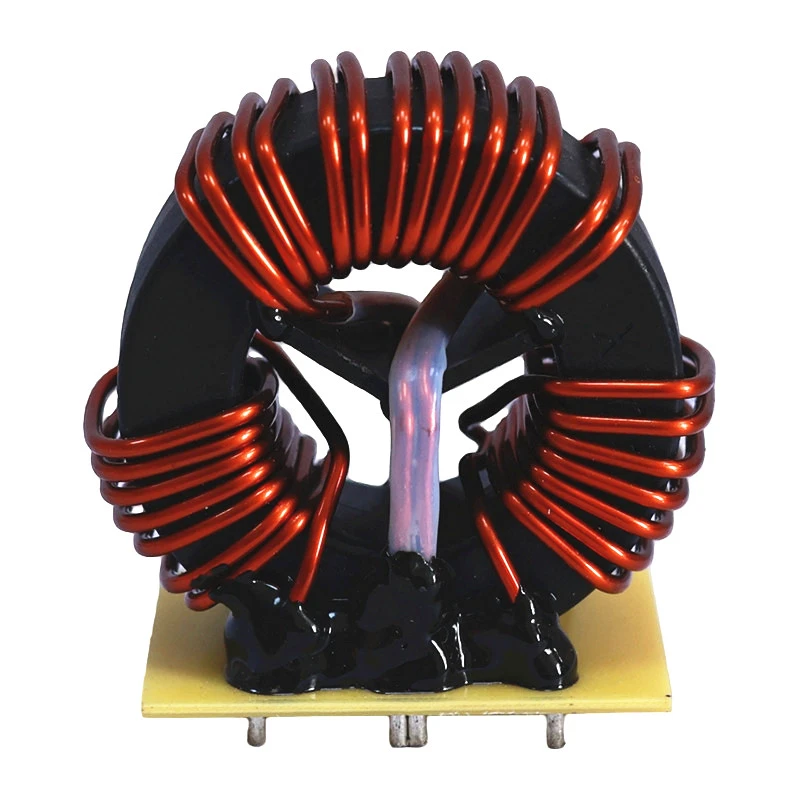
If you need more technical details about insulation ratings, safety standards, or how our toroidal transformers are tested, just contact our team to start a conversation about your project.
Low-voltage Transformer References
- IEC 60601-1:2012, Medical electrical equipment – Part 1: General requirements for basic safety and essential performance
- UL 1561:2020, Standard for Safety for Dry-Type General Purpose and Power Transformers
- NEMA Standards Publication TP 1-2017, Insulation Systems for Dry-Type Transformers
- "Thermal Aging of Polymer Insulation Materials for Electrical Applications", IEEE Transactions on Dielectrics and Electrical Insulation, Vol. 28, No. 3, June 2021, pp. 892-899
- "Moisture Ingress in Power Transformers: Causes, Effects, and Mitigation Strategies", International Journal of Electrical Power & Energy Systems, Vol. 128, May 2021, Article 106752
Dongguan Hensiron Electric Co., Ltd.
As one of the most professional toroidal transformer suppliers in China, we have world-leading production equipment and strong manufacturing capabilities. Please feel free to buy high quality toroidal transformer made in China here from our factory. Customized orders are welcome.
Address: Building 4, Xinxing Industrial Zone, Wangao Road, Wanjiang Street, Dongguan City, China
E-mail: jessica@dghensiron.com
WebSite: https://www.dghensiron.com/
