Hey everyone, it’s Jake from the nitrile rubber sheet team — yeah, the guy you’ve probably emailed back and forth with for the last six months when you needed custom sheets for that industrial gasket project or the food-grade stuff for your packaging line. Lately, I’ve been getting so many DMs and calls asking the same thing: “Jake, how do I make nitrile rubber sheet flame-retardant?” Like, it’s such a solid product for oil resistance, chemical stability, and that tough, flexible stuff that works for everything from auto parts to electrical insulation, but flame retardancy is a make-or-break for so of our clients — especially the ones working in warehouses, construction sites, or industrial setups where sparks and hot surfaces are non-negotiable. I get it, you don’t want to deal with a slip that turns into a fire because your rubber sheet didn’t hold up, and you also don’t want to pay an arm and a leg to modify something that’s already performing great. Today I’m breaking down exactly what works, what doesn’t, and how we’ve been helping our clients nail this without ruining their nitrile sheet specs. Nitrile Rubber Sheet

First off, let’s cut the jargon: nitrile rubber (NBR) is great because it’s super oil-resistant, but it’s inherently flammable — that’s just how it’s made, right? The polymer chains break down when heated, release volatile gases, and catch fire fast if there’s an ignition source. So when we talk about making it flame-retardant, we’re not making it fireproof (that’s impossible, even metal melts), we’re making it self-extinguishing — meaning once the ignition source is removed, the flame dies out on its own, no dripping, no spreading fire. That’s the goal, trust me, because if you aim for fireproof, you’ll probably end up with a sheet that’s brittle, falls apart in 6 months, and costs twice as much.
Now, the main way we do this at our factory is by adding flame-retardant additives during the compounding process — that’s the stage before we roll the rubber into sheets, right? Most people think you just spray some spray-on retardant on the finished sheet, but that’s a waste. It wears off, doesn’t penetrate the nitrile, and ruins the surface texture we need for gaskets or seals. Compounding is the way to go, and there are three types of additives we use most, depending on what our client actually needs (like, if they need food-safe or electrical-grade).
First up: halogen-based flame retardants. Yeah, I know “halogen” sounds scary, but the right ones are totally fine for industrial use, and they’re the most cost-effective option. What are they? Usually things like chlorinated paraffins or brominated compounds, which work by trapping the heat and stopping the polymer from releasing those flammable gases when heated. When a flame hits the sheet, the halogen molecules break loose, react with the oxygen in the air, and put out the flame before it can spread. The catch here is that you have to get the mix right — too little, and it doesn’t work; too much, and it makes the nitrile brittle. We usually add 15-25 parts per hundred rubber (phr) for our standard sheets, and for clients that need extra oomph, we bump it up to 30 phr max. Wait, why not more? Because above that, the rubber’s elasticity drops, which is a big no-no for most applications. If you need a flexible sheet that seals well, you can’t have it cracking after a week.
Second, and the newer, more eco-friendly option for people that don’t want halogen stuff: intumescent flame retardants. These are magic, honestly. When they hit heat, they expand into a thick, charred layer that acts like a barrier between the flame and the nitrile polymer underneath. So no more flammable gases escaping, no more heat reaching the rubber. It’s super clean too — no toxic fumes, which is great for indoor setups, electrical applications, or places where workers are around it all day. The downside? They’re a bit pricier than halogen ones, and they do affect mechanical properties a little less than halogen, but not enough to cause issues for most clients. We usually use 20-30 phr of intumescent mix, and we’ve had clients use these for everything from electrical busbar insulation to warehouse dock bumpers that need to hold up to both forklifts and stray sparks.
Third, and the one we only use for super specific high-heat applications: mineral-based flame retardants, like aluminum trihydrate (ATH) or magnesium hydroxide (MDH). These work by absorbing heat when they break down, so they cool the rubber sheet down below its ignition temperature. ATH, for example, releases water vapor when it hits 200°C, which smothers the flame too. They’re totally non-toxic, super cheap, and great for food-grade applications because they don’t leach anything. The only downside? They’re heavy, and they can make the nitrile a bit stiffer, so we only recommend these if your work environment is dealing with constant high heat (like metal fabrication areas) and you don’t need that extra flexibility. We add 30-40 phr of ATH/MDH for those, and we’ve found that pairing them with a small amount of intumescent stuff cuts down on the brittleness, so it’s a good middle ground.
Wait, but there’s more to it than just adding additives. The base nitrile rubber grade matters a ton, too. If you take a low-grade NBR that’s cheap but has weak polymer chains, even adding the best additives won’t make it flame-retardant enough. We always start with at least NBR 33 grade — that’s the standard we use for most of our sheets, it has good molecular weight and chain stability, so the additives bond better. If a client needs extra performance, we bump it up to NBR 40, which has higher acrylonitrile content. Wait, what’s acrylonitrile? It’s the part of NBR that makes it oil-resistant, but it also adds more flame resistance naturally. So higher acrylonitrile = inherently better flame resistance, so you can use less additives to get the same result. That’s a huge tip I wish more people knew — don’t skimp on the base rubber grade, because it’ll save you money in the long run on additives and performance.
Then there’s processing: how you mix the additives and form the sheet. If you don’t mix them evenly, some parts of the sheet will have enough retardant and some won’t, so it’ll fail the flame test. We use internal mixers at our factory — not cheap, but they ensure every part of the rubber compound has the same amount of additive. Then we use calendar rolls to form the sheets, which keeps the texture consistent, and we cure them at the right temperature. If you cure too hot, you can break down the flame retardant additives, making them useless. If you cure too cold, the rubber won’t set right, and the additives won’t bond properly. We follow ISO curing specs for all our flame-retardant sheets, so you don’t have to worry about that.
Also, let’s talk about mistakes I’ve seen clients make, because I don’t want you to waste time and money. First, spraying a topical flame retardant on a finished sheet. Yeah, that works for fabric, but not for nitrile rubber. Rubber is porous, but it’s not like fabric — the spray sits on top, wears off from friction, oil, or cleaning, and it won’t penetrate enough to stop the flame from getting to the polymer. We had a client last year who tried this for their conveyor belt sheets, and after a month, the spray wore off, and a small spark from the conveyor caught the sheet on fire. Total disaster, and they ended up reordering our compounded flame-retardant sheets anyway, so they wasted both time and money. Don’t do that.
Second, overdoing the additives. I mentioned this earlier, but it’s worth repeating. A lot of people think more is better, but with nitrile rubber, more additives mean less elasticity, less oil resistance, even cracking over time. We had another client who added 35 phr of halogen retardant to get extra flame protection, and their gasket sheets started cracking after 3 months of use on oil lines. Turns out, the extra additive made the rubber too rigid, so it couldn’t flex when the lines moved, leading to tears. We adjusted them down to 22 phr, and it worked perfectly — still self-extinguishing, no cracking, perfect for their application.
Third, not testing for your specific use case. Flame retardancy isn’t one-size-fits-all. If you’re using the sheet outdoors, UV rays will break down the additives, so you need to pick a retardant that’s UV-stabilized. If you’re using it for food packaging, you need FDA-compliant additives, no halogen, no toxic stuff. If you’re using it for electrical insulation, you need it to not only be flame-retardant but also have good dielectric strength. That’s why we always ask our clients for details on their application: where it’s used, what temps it’s exposed to, any regulations they have to follow, so we can tweak the compound exactly for them. We don’t do one-size-fits-all flame-retardant sheets — we adjust based on what you need.
Wait, and for anyone who already has nitrile rubber sheets that you want to make flame-retardant, not just buying new ones — I get it, you might have stock or existing parts you need to modify. What works there? We don’t recommend adding additives to raw rubber on your own, but there are two DIY (well, industrial-level) options. One is a dip treatment: use a water-based intumescent dip that’s designed for rubber, dip the sheets, and cure them at low temp. It’s not as good as compounding, but it works for short-term use. The other is adding a flame-retardant masterbatch to your existing rubber compound if you have a mixing machine. Masterbatch is basically concentrated additive mixed with a small amount of NBR, so you just add it to your mix during processing — way easier than adding raw additives. But again, for long-term, high-performance, new sheets are better, because the masterbatch might not mix as evenly as we do at the factory.
Now, let’s talk about regulations, because this is huge. A lot of industries have standards for flame-retardant materials. If you’re working in construction, you need ASTM E84 or UL 94 ratings. Electrical stuff needs UL 94 V-0, which means it self-extinguishes in under 10 seconds, no dripping. Food-grade needs FDA 21 CFR standards. We make all our flame-retardant nitrile sheets to meet these standards, so you don’t have to test them yourself (though we always send test results when you order). We recently got a batch certified for a construction project in Europe that needed EN 45545, which is the EU’s rail industry standard for fire safety — that’s a big deal, and it just shows we’re making stuff that works for real, regulated applications.
Another thing I’ve noticed: people mix up flame-retardant with fire-resistant, and that’s a costly mistake. Flame-retardant means it slows down the spread of fire and self-extinguishes when the source is removed. Fire-resistant means it can withstand direct flame for hours without burning. For nitrile rubber, fire-resistant is basically impossible without making it so heavy and brittle it’s useless. We once had a client ask for sheets that could hold a blowtorch flame for 30 minutes straight — dude, nitrile rubber’s ignition temp is around 350°C, a blowtorch is way hotter, so the sheet would break down in 2 minutes if you don’t add so much additive it’s like a rock. We explained that, and they ended up going with our standard flame-retardant sheets that self-extinguish in 5 seconds, which was more than enough for their warehouse setup.
So, wrapping this up, the key steps to make nitrile rubber sheet flame-retardant, the right way, are: first, pick a base nitrile grade with at least 33% acrylonitrile for natural flame resistance. Second, choose the right additive type for your needs: halogen-based for cost and high performance, intumescent for eco-friendly and clean, mineral-based for high heat and food safety. Third, get the additive mix right — not too much, not too little, 15-40 phr depending on the additive. Fourth, make sure you mix and process correctly, so the additives are evenly distributed, and cure at the right temp to not break down the additives. Fifth, test against your specific application standards, and don’t rely on topical sprays or overloading additives.
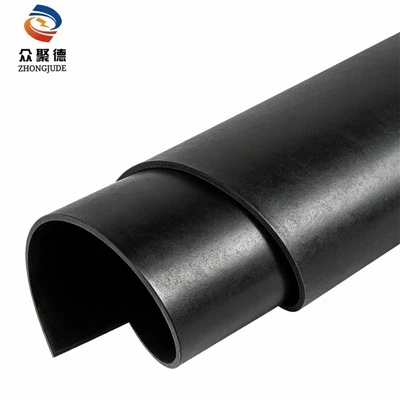
If you’re a client who’s been struggling with this, or you’re just starting a project where flame retardancy is a requirement, hit us up. We’ve worked with auto manufacturers, construction companies, electrical firms, even food processing plants to get their nitrile sheets exactly how they need them — flame-retardant, durable, affordable, and compliant. No generic stuff, no overpriced gimmicks, just sheets that perform when you need them to. Shoot us a message or give us a call, we’ll walk through your project, send over specs, and get you a quote that actually makes sense. No pressure, just honest advice from the guy who’s been in this nitrile game for years.
Flame Retardant Rubber Mat REFERENCES
- Mark, J. E. (2014). Polymer Data Handbook. Oxford University Press.
- Horrocks, A. R., & Price, D. (2001). Fire Retardant Materials. Woodhead Publishing.
- ASTM International. (2020). Standard Test Method for Surface Burning Characteristics of Building Materials (ASTM E84-20).
- Underwriters Laboratories. (2018). Standard for Tests for Flammability of Plastic Materials for Parts in Devices and Appliances (UL 94-18).
- European Committee for Standardization. (2013). Railway Applications – Fire Protection on Railway Vehicles (EN 45545-2:2013).
Hebei Zhongjude Power Technology Co., Ltd.
With abundant experience, we are one of the most reliable nitrile rubber sheet manufacturers and suppliers in China. Welcome to buy bulk high quality nitrile rubber sheet for sale here and get quotation from our factory. For price consultation, contact us.
Address: Shenghe Plaza, No. 88 Qilian Street, High-tech Zone, Shijiazhuang City, Hebei Province, China
E-mail: zhongjude@outlook.com
WebSite: https://www.zjdinsul.com/
