Hey there, fellow resin enthusiasts! I’m a supplier of cured resin, and I often get asked about the shelf life of this amazing material. So, let’s dive right in and explore what determines how long cured resin can last. Cured Resin
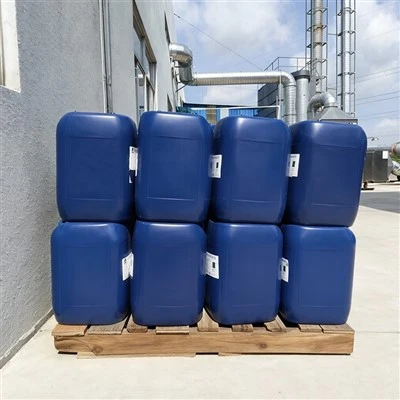
First off, it’s crucial to understand what cured resin is. When we talk about cured resin, we’re referring to resin that has undergone a chemical reaction to harden and solidify. This process can be triggered by heat, light, or a catalyst, depending on the type of resin. Once it’s cured, resin becomes a durable and versatile material used in a ton of applications, from jewelry making and art to industrial manufacturing.
Now, let’s get to the heart of the matter: what’s the shelf life of cured resin? Well, the answer isn’t as straightforward as you might think. There are a bunch of factors that can influence how long cured resin stays in good condition.
One of the biggest factors is the type of resin. Different resins have different chemical compositions, and this can have a huge impact on their shelf life. For example, epoxy resins are known for their excellent durability and long shelf life. They can last for several years if stored properly. On the other hand, some polyester resins may have a shorter shelf life, especially if they’re exposed to certain environmental conditions.
Speaking of environmental conditions, that’s another major factor. Cured resin is sensitive to things like temperature, humidity, and sunlight. High temperatures can cause the resin to expand and contract, which may lead to cracking or warping over time. Humidity can also be a problem, as it can promote the growth of mold and mildew, especially if the resin has any porous areas. And sunlight, specifically ultraviolet (UV) rays, can cause the resin to yellow and become brittle.
So, how should you store cured resin to maximize its shelf life? Well, the ideal storage conditions are cool, dry, and dark. A temperature between 50°F and 70°F (10°C and 21°C) is usually best. You should also try to keep the humidity level below 50%. If possible, store the cured resin in an airtight container to protect it from moisture and dust. And definitely keep it out of direct sunlight.
Let’s take a closer look at some common types of cured resin and their typical shelf lives.
Epoxy resin: As I mentioned earlier, epoxy resin is one of the most durable types of resin. When stored correctly, it can have a shelf life of 2 to 3 years. Some high – quality epoxy resins may even last longer. Epoxy is great because it has strong chemical resistance and good mechanical properties, which helps it stay in good shape for a long time.
Polyester resin: Polyester resin generally has a shorter shelf life compared to epoxy. If stored properly, it can last about 1 to 2 years. Polyester resin is more prone to degradation, especially when exposed to heat and moisture. It’s also more likely to yellow over time, especially if it’s not protected from UV rays.
Polyurethane resin: Polyurethane resin has a shelf life of around 1 to 2 years as well. It’s a very flexible resin, but it can be affected by environmental factors. For example, if it’s stored in a place with high humidity, it may absorb moisture, which can lead to changes in its properties.
Now, let’s talk about how to tell if cured resin has gone bad. There are a few signs to look out for. If the resin has developed cracks, chips, or a rough surface, it’s a pretty good indication that it’s starting to deteriorate. Discoloration, such as yellowing or darkening, is another sign. And if the resin has a strange odor, that could also mean it’s no longer in good condition.
If you find that your cured resin has gone bad, it’s probably not going to be suitable for its intended use. You might be tempted to try and salvage it, but in most cases, it’s better to just get new resin. Using bad resin can lead to poor results in your projects, whether it’s a piece of jewelry or an industrial part.
As a cured resin supplier, I know how important it is to have high – quality resin that lasts. That’s why I always make sure to source the best materials and store them under optimal conditions. I also offer a range of different types of cured resin to meet the needs of different customers. Whether you’re a hobbyist looking to create some beautiful art pieces or an industrial manufacturer in need of large quantities of resin, I’ve got you covered.
If you’re in the market for cured resin, I’d love to talk to you. I can answer any questions you have about the different types of resin, their shelf lives, and how to use them effectively. I can also provide you with samples so you can test out the resin before making a big purchase.

So, don’t hesitate to reach out if you’re interested in buying cured resin. Whether you’re just starting out with resin projects or you’re a seasoned pro, I’m here to help you get the best results. Let’s work together to make your resin – related dreams a reality!
Wood Finish References
- "Resin Handbook" by Resin Manufacturers Association
- "Advanced Polymer Science" textbooks for general polymer and resin knowledge
- Industry reports on resin properties and storage from resin – related research institutions
Winsir Decoration Materials Co., Ltd.
With abundant experience, we are one of the most professional cured resin manufacturers and suppliers in China. Please feel free to wholesale bulk cured resin in stock here from our factory. Good service and quality products are available.
Address: Zhonghe Village Industrial Zone, Duruan Town, Pengjiang District, Jiangmen City
E-mail: service@winsir.com.cn
WebSite: https://www.winsir-intl.com/
