What are the environmental impacts of paper carrier tape?
As a supplier of paper carrier tape, I’ve spent years immersed in this industry, witnessing firsthand the growing global emphasis on environmental sustainability. Paper carrier tape, a common packaging material used to transport electronic components, has a complex relationship with the environment, encompassing both positive and negative aspects. In this blog, I’ll delve into the environmental impacts of paper carrier tape, exploring its manufacturing process, usage, disposal, and the steps we can take to mitigate its ecological footprint. Paper Carrier Tape
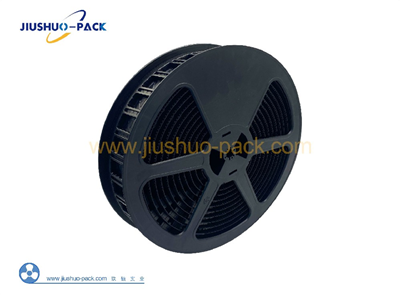
Manufacturing Process
The production of paper carrier tape begins with the sourcing of raw materials, primarily wood pulp. Sustainable forestry practices are crucial at this stage, as responsibly managed forests ensure a continuous supply of wood while minimizing deforestation and its associated environmental impacts. Forest certification programs, such as the Forest Stewardship Council (FSC), play a vital role in promoting sustainable forestry by setting standards for forest management and ensuring that wood products are sourced from well-managed forests.
Once the wood pulp is obtained, it undergoes a series of processing steps to turn it into paper. Chemicals are often used in the pulping process to break down the wood fibers and bleach the paper to achieve the desired color. These chemicals can have a significant environmental impact if not properly managed. For example, chlorine-based bleaches can release harmful dioxins and furans into the environment, posing risks to human health and wildlife. However, many paper mills today have switched to more environmentally friendly bleaching methods, such as elemental chlorine-free (ECF) and totally chlorine-free (TCF) processes, which reduce the release of these pollutants.
In addition to chemical usage, the production of paper carrier tape also consumes a large amount of energy and water. Energy is required for various processes, including pulping, drying, and converting the paper into the final carrier tape product. Water is used in large quantities for washing, cooling, and transporting the paper during the manufacturing process. To reduce the environmental impact of these processes, paper mills are increasingly adopting energy-efficient technologies and water recycling systems. For example, many mills use combined heat and power (CHP) systems to generate electricity and heat from the same fuel source, thereby increasing energy efficiency and reducing greenhouse gas emissions. Water recycling systems help to reduce the amount of fresh water consumed in the manufacturing process by treating and reusing wastewater.
Usage and Benefits
One of the key advantages of paper carrier tape is its recyclability. Paper is a highly recyclable material, and many paper carrier tapes can be recycled multiple times without significant loss of quality. Recycling paper reduces the demand for virgin wood pulp, conserves natural resources, and reduces energy consumption and greenhouse gas emissions compared to producing paper from virgin materials. By choosing paper carrier tape over non-recyclable alternatives, such as plastic carrier tape, manufacturers can contribute to a more circular economy and help to reduce the environmental impact of packaging.
Another benefit of paper carrier tape is its biodegradability. Paper is a natural material that can break down over time in the environment, unlike many plastics, which can persist for hundreds of years. This means that if paper carrier tape is discarded in the environment, it will eventually decompose, reducing the risk of litter and pollution. However, it’s important to note that the rate of biodegradation can vary depending on factors such as the type of paper, the environmental conditions, and the presence of other materials. In some cases, paper carrier tape may need to be composted to ensure proper decomposition.
In addition to its recyclability and biodegradability, paper carrier tape is also relatively lightweight compared to other packaging materials. This can result in lower transportation costs and reduced carbon emissions associated with the movement of goods. By using less energy to transport products, paper carrier tape helps to minimize the environmental impact of the supply chain.
Disposal and Recycling Challenges
Despite its many environmental benefits, paper carrier tape still faces some challenges when it comes to disposal and recycling. One of the main challenges is the presence of contaminants, such as adhesives, coatings, and electronic components, which can make it difficult to recycle paper carrier tape. These contaminants can interfere with the recycling process and reduce the quality of the recycled paper. To overcome this challenge, it’s important to ensure that paper carrier tape is properly separated from other waste materials and that any contaminants are removed before recycling.
Another challenge is the lack of awareness and infrastructure for recycling paper carrier tape. In many areas, there may not be specific recycling programs or facilities for paper carrier tape, making it difficult for businesses and consumers to recycle these products. To address this issue, it’s important to raise awareness about the recyclability of paper carrier tape and to encourage the development of recycling infrastructure. This can include providing education and training to businesses and consumers on how to recycle paper carrier tape, as well as investing in the development of recycling technologies and facilities.
Mitigating the Environmental Impact
As a supplier of paper carrier tape, I’m committed to minimizing the environmental impact of our products and operations. One of the key steps we take is to source our raw materials from sustainable forests and to ensure that our paper carrier tapes are made using environmentally friendly production processes. We work closely with our suppliers to ensure that they adhere to sustainable forestry practices and to use the latest technologies and techniques to reduce the environmental impact of their operations.
In addition to sourcing sustainable raw materials, we also focus on reducing the energy and water consumption in our manufacturing processes. We have invested in energy-efficient equipment and technologies, such as CHP systems and water recycling systems, to reduce our energy and water usage and to minimize our greenhouse gas emissions. We also continuously monitor and evaluate our environmental performance to identify areas for improvement and to implement new initiatives to reduce our environmental impact.
To address the disposal and recycling challenges associated with paper carrier tape, we are also working to develop innovative solutions. For example, we are exploring the use of biodegradable adhesives and coatings to make our paper carrier tapes more easily recyclable and compostable. We are also collaborating with recycling companies and waste management organizations to develop more effective recycling programs and to ensure that our paper carrier tapes are recycled properly.
Conclusion
In conclusion, paper carrier tape has both positive and negative environmental impacts. On the one hand, it is a recyclable and biodegradable material that can help to reduce the environmental impact of packaging compared to non-recyclable alternatives. On the other hand, its manufacturing process consumes energy and water and can involve the use of chemicals, and it faces some challenges when it comes to disposal and recycling. As a supplier of paper carrier tape, I believe that it’s our responsibility to minimize the environmental impact of our products and operations by sourcing sustainable raw materials, reducing energy and water consumption, and developing innovative solutions to address the disposal and recycling challenges.
Paper Carrier Tape If you’re interested in learning more about our paper carrier tape products or discussing how we can help you reduce the environmental impact of your packaging, please don’t hesitate to contact us. We’re always happy to have a conversation and explore how we can work together to create a more sustainable future.
References
- Forest Stewardship Council. (n.d.). What is FSC? Retrieved from [Forest Stewardship Council website]
- Environmental Protection Agency. (n.d.). Paper Recycling Basics. Retrieved from [Environmental Protection Agency website]
- American Forest & Paper Association. (n.d.). Sustainable Forestry. Retrieved from [American Forest & Paper Association website]
Dongguan Jiushuo Industrial Co., Ltd.
As one of the most professional paper carrier tape manufacturers and suppliers in China, we also support customized service. Please feel free to buy high quality paper carrier tape made in China here from our factory. Contact us for more details.
Address: 11th Floor, Building 2, Chuangfu Center, Chashan Town, Dongguan City, Guangdong Province, China
E-mail: sales06@zaidaiw.com
WebSite: https://www.carriertape-pack.com/
