Hey there! I’m a supplier in the gear pump game, and I’ve seen firsthand how speed can have a huge impact on a gear pump’s performance. So, I thought I’d share some insights on this topic and why it matters for your applications. Gear Pump
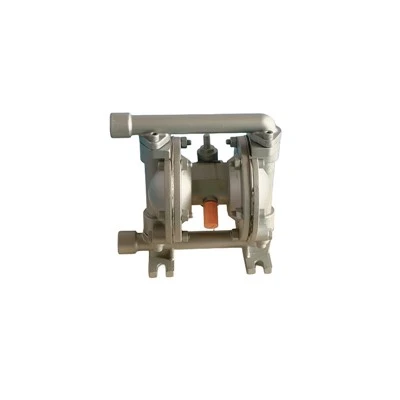
Let’s start with the basics. A gear pump is a type of positive displacement pump that uses two meshing gears to transfer fluid. The process is pretty straightforward. As the gears rotate, they create chambers that trap the fluid at the inlet and then move it to the outlet. Simple, right? But the speed at which these gears rotate can change the whole game.
One of the most obvious effects of speed on a gear pump is the flow rate. Like most pumps, the faster the gears turn, the more fluid the pump can move per unit of time. It’s a bit like a water hose; if you turn the faucet all the way on, more water comes out. In a gear pump, increasing the rotational speed increases the volumetric flow rate. For example, if you have a small – scale operation where you need a certain amount of lubricant to be delivered to a machine part constantly, increasing the pump speed can ensure that there’s enough lubrication flowing.
However, it’s not all roses when you crank up the speed. There are some downsides. One major issue is the increase in wear and tear. When the gears spin faster, there’s more friction between the gear teeth and the pump housing. This friction generates heat, which can cause the materials to expand and wear out more quickly. Over time, this can lead to leaks and a decrease in the pump’s overall efficiency. I remember a customer who was trying to boost production by increasing the speed of their gear pump. At first, it seemed like a great idea because the flow rate went up. But after a few weeks, they started noticing leaks around the pump seals, and the pump efficiency dropped significantly. They had to replace the gears and seals sooner than expected, which cost them a fair amount of money.
Another thing to consider is the noise level. Faster – rotating gears create more noise. In an industrial setting, noise isn’t just an annoyance; it can be a safety hazard. Excessive noise can lead to hearing loss for workers, and it can also be a sign that something is going wrong inside the pump. For instance, if you suddenly hear a louder than normal humming or rattling sound when you increase the speed, it could mean that the gears are misaligned or that there’s some debris in the pump. So, while you might be tempted to max out the speed for more flow, you’ve got to be aware of the noise factor.
Efficiency is yet another factor affected by speed. While increasing the speed generally increases the flow rate, it doesn’t always translate into better overall efficiency. There’s a sweet spot for each gear pump where it operates at maximum efficiency. When you go beyond that speed, the power consumption increases disproportionately. This is because the pump has to work harder to overcome the increased friction and pressure losses. You might end up using more energy to pump the same amount of fluid, which isn’t cost – effective in the long run.
Let’s talk about cavitation. Cavitation occurs when the pressure in the pump drops below the vapor pressure of the fluid, causing the formation of vapor bubbles. When the bubbles collapse, they can cause damage to the pump components. Higher speeds can increase the likelihood of cavitation. As the gears rotate faster, the fluid has less time to fill the chambers properly, leading to lower pressure regions and potential cavitation. Cavitation can cause pitting on the gear teeth and the pump housing, which not only reduces the pump’s performance but also shortens its lifespan.
Now, how do you find the right speed for your gear pump? Well, it depends on several factors. First, you need to know the specific requirements of your application. If you’re using the pump for a high – pressure application, you might not be able to run it at a very high speed because of the increased stress on the components. On the other hand, if you just need a low – pressure, high – flow rate, a higher speed might be okay.
You should also consider the type of fluid you’re pumping. Viscous fluids require more torque to move, so the pump might not be able to operate at high speeds. Thinner fluids, on the other hand, can tolerate higher speeds. For example, if you’re pumping a thick oil, running the pump at a high speed can cause the viscosity to change too quickly, leading to uneven flow and potential damage to the pump.
As a gear pump supplier, I always recommend that my customers do some testing. You can start by running the pump at a few different speeds and measuring the flow rate, pressure, and power consumption. This will give you a better idea of how the pump behaves at different speeds and help you find the optimal operating point.
To sum it up, speed has a complex relationship with the performance of a gear pump. While it can increase the flow rate, it also brings along a host of potential problems like wear and tear, noise, reduced efficiency, and cavitation. By understanding these effects and doing some proper testing, you can make sure that your gear pump operates at its best.
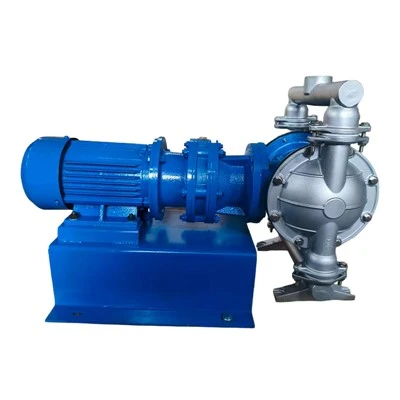
If you’re in the market for a gear pump or need advice on optimizing the speed of your existing pump, don’t hesitate to reach out. I’ve got years of experience in this industry, and I’d be more than happy to help you find the right solution for your needs. Let’s get your gear pump running smoothly and efficiently!
Gear Pump References
- Hydraulic Pump Handbook: This handbook provides in – depth information on the working principles of gear pumps and the impact of various operating parameters.
- Industrial Pump Technology Journal: Articles in this journal often cover topics related to pump performance, including the effect of speed on different types of pumps.
Botou Hengyang Pump & Valve Co., Ltd.
With abundant experience, we are one of the most professional gear pump manufacturers and suppliers in China. Please feel free to buy high standard gear pump made in China here and get pricelist from our factory. All customized pumps are with high quality and competitive price.
Address: No. 159, Road 1, Development Zone, Botou City, Cangzhou, Hebei Province, China
E-mail: bthdbf@163.com
WebSite: https://www.hyoilp.com/
