Waste heat recovery (WHR) systems play a pivotal role in enhancing energy efficiency and reducing operational costs across various industries. As a supplier of waste heat recovery solutions, I understand the importance of measuring the performance of these systems to ensure they meet the desired objectives. In this blog, I will discuss the key performance indicators (KPIs) for waste heat recovery systems and how they can be used to evaluate the effectiveness of these systems. Waste Heat Recovery

Energy Recovery Efficiency
One of the most critical performance indicators for waste heat recovery systems is energy recovery efficiency. This metric measures the amount of waste heat that is successfully captured and converted into useful energy, such as electricity, steam, or hot water, relative to the total amount of waste heat available. A high energy recovery efficiency indicates that the system is effectively utilizing the waste heat and minimizing energy losses.
Energy recovery efficiency can be calculated using the following formula:
[ \text{Energy Recovery Efficiency} = \frac{\text{Useful Energy Output}}{\text{Total Waste Heat Input}} \times 100% ]
To improve energy recovery efficiency, it is essential to select the appropriate waste heat recovery technology based on the characteristics of the waste heat source, such as temperature, flow rate, and composition. For example, a high – temperature waste heat source may be best suited for a steam Rankine cycle system, while a low – temperature waste heat source may be more effectively utilized by an organic Rankine cycle (ORC) system.
Payback Period
The payback period is another important performance indicator for waste heat recovery systems. It represents the time required for the savings generated by the system to offset the initial investment cost. A shorter payback period indicates a more financially viable project.
The payback period can be calculated as follows:
[ \text{Payback Period} = \frac{\text{Initial Investment}}{\text{Annual Savings}} ]
Annual savings typically include the reduction in energy costs, as well as any potential revenue from the sale of excess energy. When evaluating waste heat recovery projects, it is crucial to consider factors such as the cost of equipment, installation, maintenance, and the expected lifespan of the system. A well – designed waste heat recovery system should have a payback period of less than five years, although this can vary depending on the industry and specific application.
Capacity Factor
The capacity factor measures the actual energy output of a waste heat recovery system compared to its maximum possible output over a given period. It provides an indication of how consistently the system is operating at its full potential.
The capacity factor is calculated using the following formula:
[ \text{Capacity Factor} = \frac{\text{Actual Energy Output}}{\text{Maximum Possible Energy Output}} \times 100% ]
A high capacity factor implies that the system is operating efficiently and is able to utilize the waste heat source consistently. Factors that can affect the capacity factor include the availability of the waste heat source, the reliability of the system components, and the effectiveness of the control and monitoring systems.
Exergy Efficiency
Exergy efficiency is a more comprehensive performance indicator that takes into account the quality of the energy recovered. It measures the ratio of the useful exergy output to the exergy input of the waste heat source. Exergy is a measure of the maximum useful work that can be obtained from a system as it comes into equilibrium with its environment.
Exergy efficiency can be calculated using the following formula:
[ \text{Exergy Efficiency} = \frac{\text{Useful Exergy Output}}{\text{Exergy Input}} \times 100% ]
By considering exergy efficiency, we can better understand the true potential of a waste heat recovery system and identify opportunities for improvement. For example, a system with a high energy recovery efficiency may not necessarily have a high exergy efficiency if the recovered energy is of low quality.
Environmental Impact
In addition to the technical and economic performance indicators, the environmental impact of a waste heat recovery system is also an important consideration. By reducing the consumption of fossil fuels and the associated greenhouse gas emissions, waste heat recovery systems contribute to a more sustainable future.
One way to measure the environmental impact of a waste heat recovery system is to calculate the reduction in carbon dioxide (CO₂) emissions. This can be done by comparing the amount of CO₂ that would have been emitted if the waste heat had not been recovered with the actual emissions after the installation of the system.
The reduction in CO₂ emissions can be estimated using the following formula:
[ \text{CO₂ Reduction} = \text{Energy Savings} \times \text{Emission Factor} ]
where the emission factor represents the amount of CO₂ emitted per unit of energy consumed.
System Reliability and Availability
System reliability and availability are crucial performance indicators for waste heat recovery systems. Reliability refers to the ability of the system to perform its intended function without failure over a specified period, while availability is the proportion of time that the system is operational.
A reliable and available waste heat recovery system ensures that the energy savings and environmental benefits are consistently realized. To improve system reliability and availability, it is important to use high – quality components, implement regular maintenance and inspection programs, and have a contingency plan in place for unexpected failures.
Conclusion
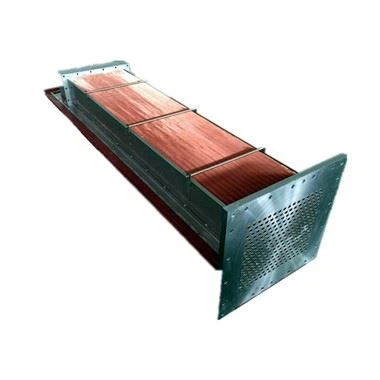
In conclusion, evaluating the performance of waste heat recovery systems is essential to ensure their effectiveness and financial viability. By monitoring key performance indicators such as energy recovery efficiency, payback period, capacity factor, exergy efficiency, environmental impact, and system reliability and availability, we can optimize the design and operation of these systems.
Sullair-IHI As a waste heat recovery supplier, I am committed to providing high – quality solutions that meet the specific needs of our customers. If you are interested in learning more about our waste heat recovery systems or discussing a potential project, I encourage you to reach out to us for a consultation. We can work together to determine the most suitable waste heat recovery technology for your application and help you achieve your energy efficiency and sustainability goals.
References
- Cengel, Y. A., & Boles, M. A. (2015). Thermodynamics: An Engineering Approach. McGraw – Hill Education.
- Dincer, I., & Rosen, M. A. (2013). Exergy: Energy, Environment and Sustainable Development. Elsevier.
- Kreith, F., & West, R. J. (2011). Principles of Heat Transfer. Cengage Learning.
Changzhou Vrcooler Refrigeration Co., Ltd.
Changzhou Vrcooler Refrigeration Co., Ltd. is one of the most professional waste heat recovery manufacturers and suppliers in China, specialized in providing high quality aftermarket service. Please rest assured to buy high-grade waste heat recovery for sale here from our factory. For price consultation, contact us.
Address: No. 18-69,Changwu Zhong Road, Wujin district, Changzhou, Jiangsu
E-mail: info@vrcooler.com
WebSite: https://www.vrcooler.com/
